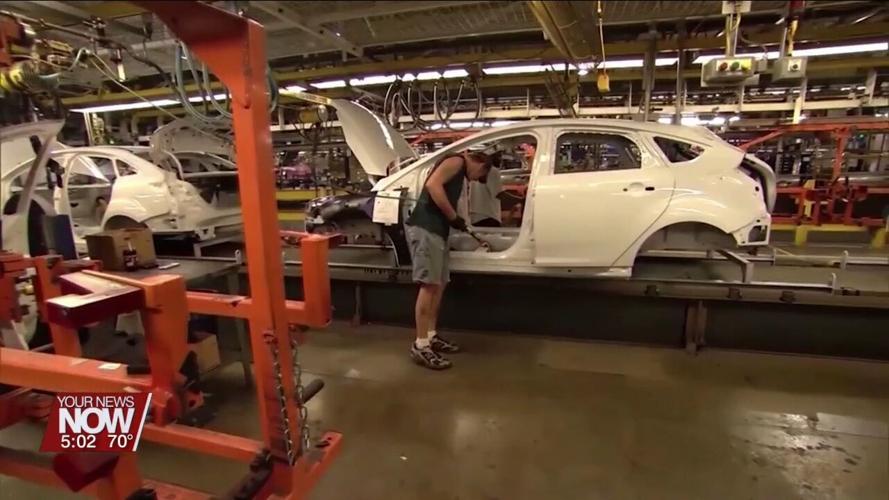

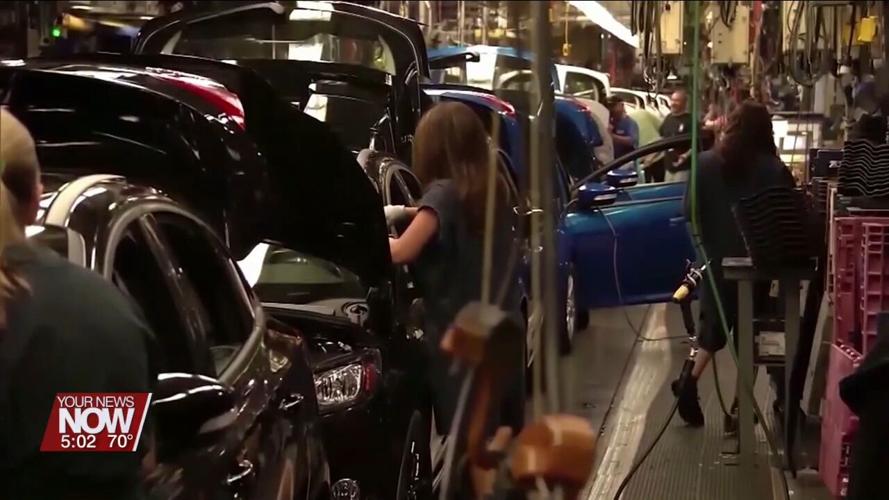


LIMA, OH (WLIO) - If a deal cannot be reached soon, thousands of UAW workers will be walking off the job and stepping onto a picket line.

Their contracts will expire at 11:59 p.m. Thursday night, and the UAW is not any closer to making a deal with Ford, GM, and Stellantis on a new one including increased wages. There are around 150,000 workers that could strike, but there are reports that the union could authorize members to strike at select plants and keep others operating. But if a strike begins, the workers will be getting around $500 per week, and that reduction will trickle down to the communities that the plants are in.

"And when they are earning less, they are taking less into their communities," says Dr. David McClough, ONU professor of economics. "They are not going to restaurants. They are not buying cars. They are not going to the home store and buying mulch and plants, and they are not fixing things and buying new things so all of the merchants and all the small business owners will be affected."

Besides the union workers, any potential strike could affect those smaller manufacturers that supply the Detroit three.
"The way the auto industry is set up now, with just-in-time inventory, these folks are producing goods, parts, components, and they are going right out the door to a manufacturing facility. So, if there is a strike these folks shut down as well, and they don't just lose a job. Now they are not generating revenue, they can't pay their loans, they can't pay their people, they can't pay their taxes. And so it's the tier 2 and tier 3 suppliers that may be most impacted," adds McClough.
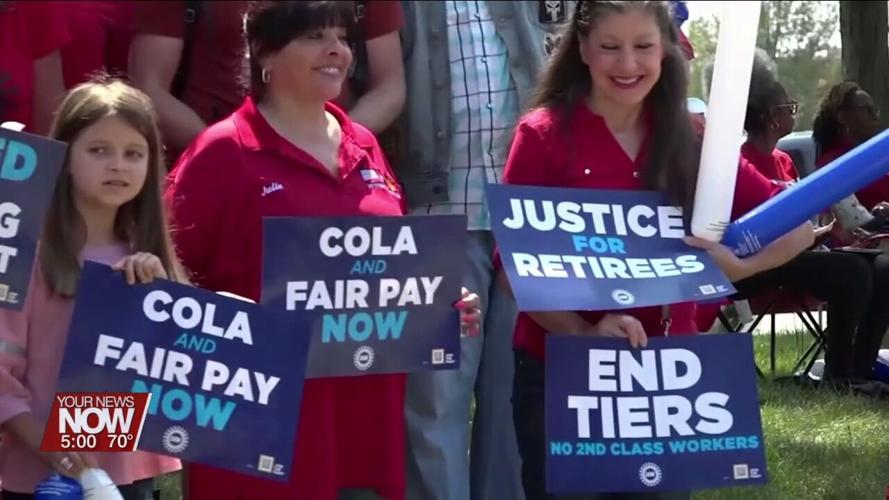
Besides wage increases, the unions are asking for a 32-hour work week with 40 hours in pay and ending varying tiers of wages for factory jobs.



