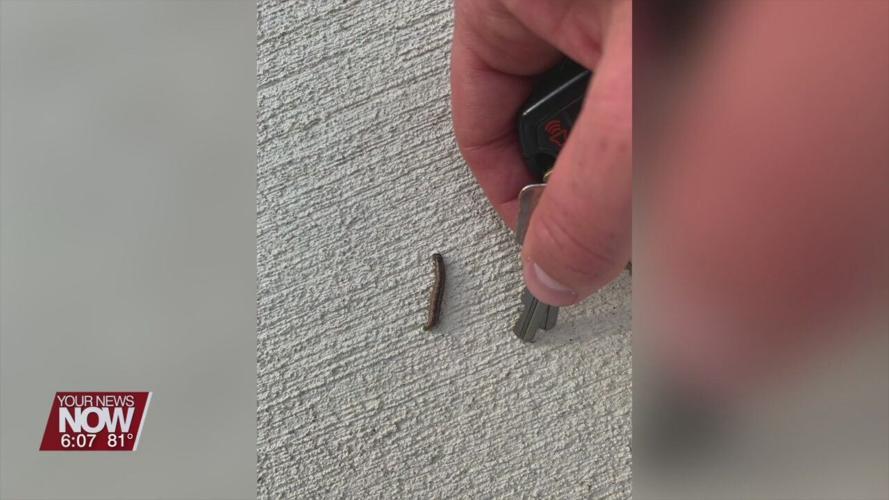
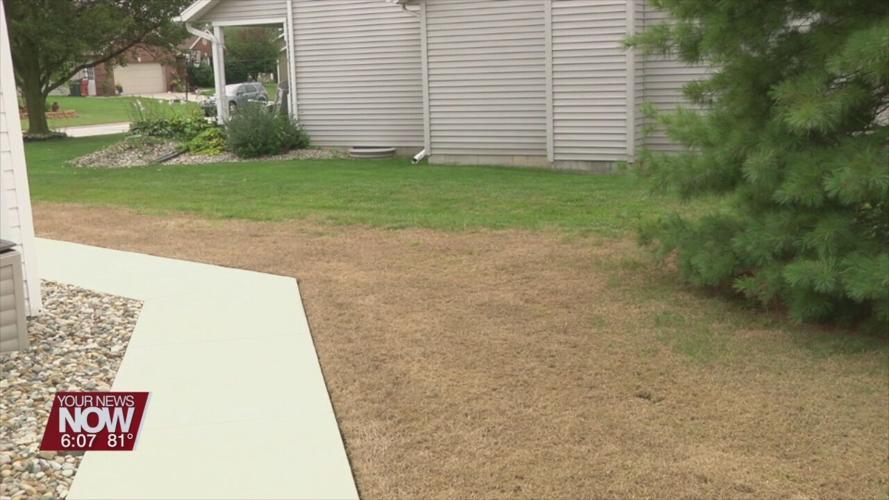


Lawn problems in the area are a result of fall armyworms making their presence felt.

Fall armyworms are most numerous during the late summer and early fall. They migrate to the north from the south using air currents and eat many different types of plants including grass, causing brown spots in yards, and even severe damage to grass in large infestations. There has been a rise in reports around the area of infestations on lawns including one who we spoke to on what they are doing about the infestation in their yard.

Scott Graham, a Laurel Oaks resident said, “Once we realized what the issue was we sprayed for insecticide to kill the worms right away, and I’ve heard various stories that the grass might come back or we might have to replant so right now it is just wait and see.”
One way to prevent infestations is to recognize the signs early and there are ways to avoid having an infestation in your yard. Early signs are usually brown spots in the yard. The armyworms may also leave grass blades ragged.
Dan Hodges, Naturalist at the Johnny Appleseed Metropolitan Park District said, “In order to protect those grasses maybe take some of those grasses away and plant native plants in those places, because they will support the beetles and the birds that will eat those armyworms before they even have a chance to cause a problem in your yard.”
Fall armyworms tend to die off in the middle of the fall as they cannot survive in the cold.
