
Gov. Mike DeWine has laid out the first phase of distributing the two possible coronavirus vaccines, beginning Dec. 15.

The state believes they have an idea of the numbers expected, but they must wait for confirmation from Pfizer and Moderna when that date gets closer. It's also contingent upon the FDA approving the vaccines.

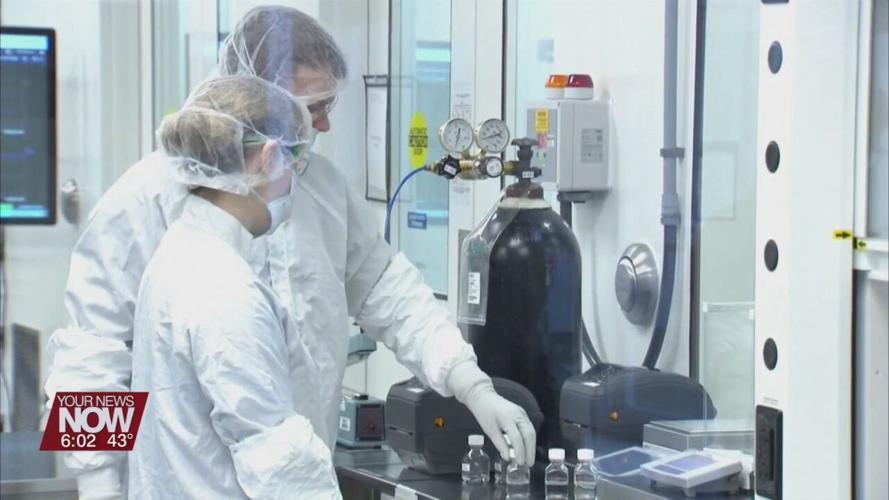
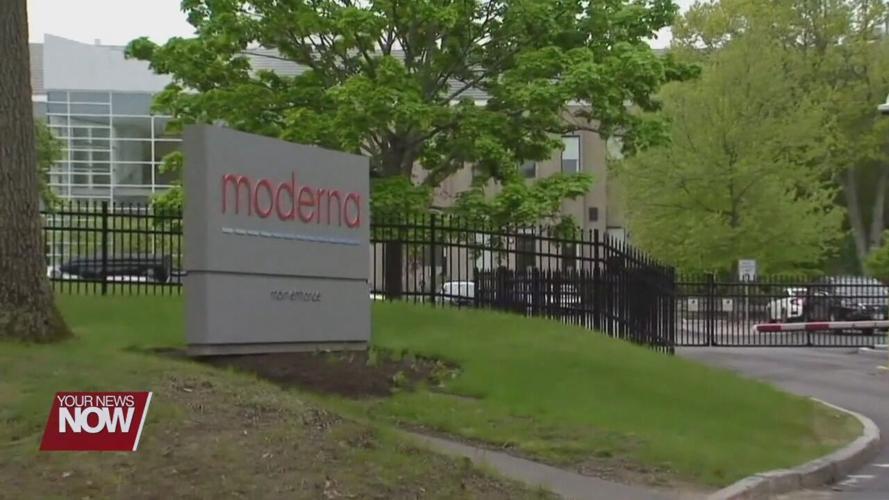
Around Dec. 15, Pfizer will deliver 9,750 doses to hospitals and 88,725 to Walgreens and CVS towards congregate care. On Dec. 22, it's expected 123,000 more doses will arrive. Around that same day, Moderna will also deliver their first shipment of 201,900 doses. A few days after that, the state expects 148,000 doses from Pfizer and 89,000 doses from Moderna.
These first doses will go to a couple of groups in no particular order. Health care workers, EMS responders, and vulnerable individuals in congregate settings and those that care for them. That includes nursing homes, assisted living centers, state psychiatric hospitals, people with disabilities in group home settings, and the two homes for Ohio Veterans.
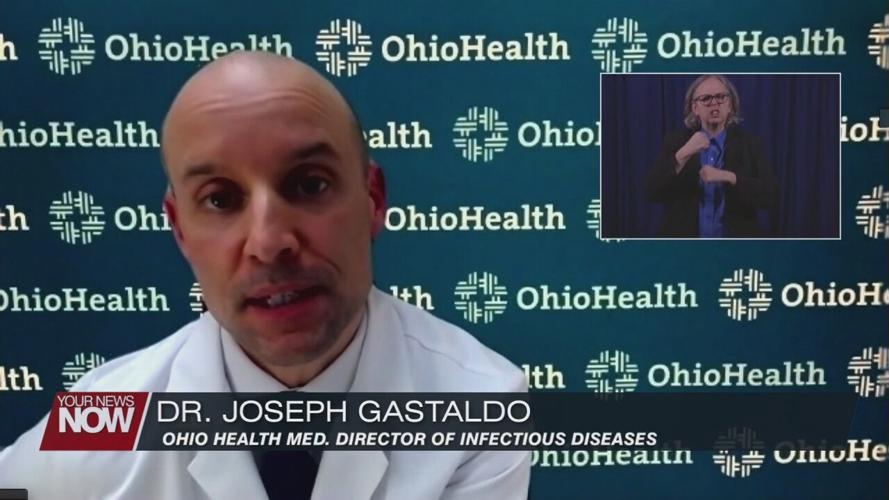
"What's important for people to realize is that when you get a vaccine, we want your immune system to become stimulated," Dr. Joseph Gastaldo said, Ohio Health Medical Director of Infectious Disease. "So you develop immunity to the vaccine. So it's not going to be uncommon for people to feel off-kilter for 24 hours. They may have a headache, they may have fatigue. That's not a toxicity, that's your body's way of responding to your injection and developing immunity and protection to this virus."
Ohio will also adopt the CDC revised guidelines on quarantining if you come in contact with someone with the virus. Originally, close contacts were asked to quarantine for 14 days. That was seen as too burdensome. New guidelines say close contacts should quarantine for 10 days for someone with no symptoms, seven days for those with a negative test, and no symptoms.
