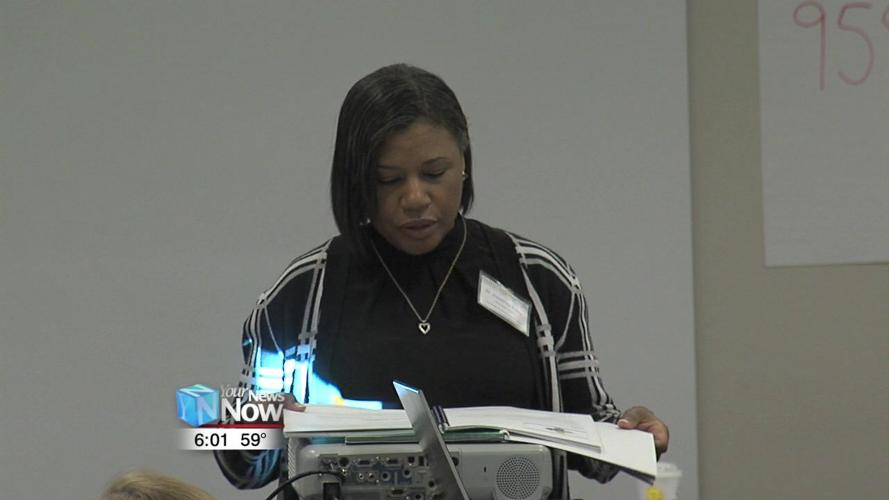
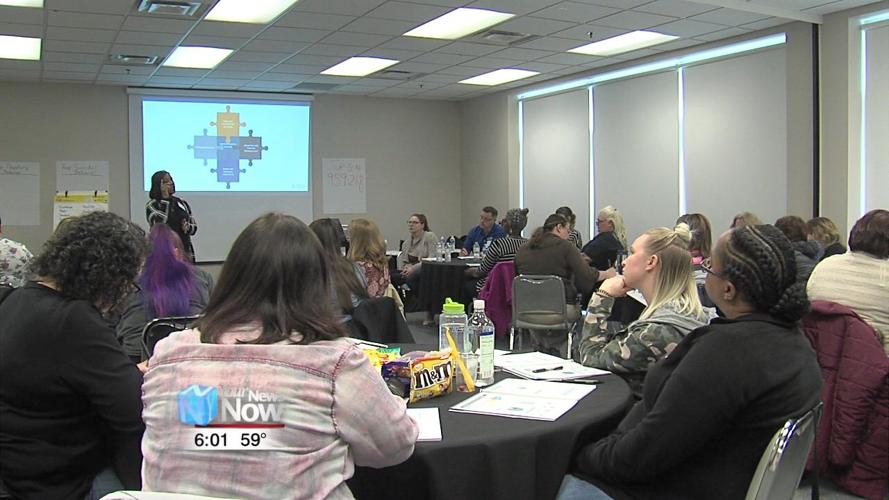
Behavioral health professionals working with youth and young adults in our area got an education in assessing and managing suicide risk by The Ohio Suicide Prevention Foundation. The training educates on suicidal support in a way that is often missed in formal education.

“There is a lack of formal education for counselors and clinicians when they’re actually getting their license and their master's degree on specific suicide prevention coursework, we kind of have to supplement professional development training,” said Austin Lucas, a grants coordinator for the Ohio Suicide Prevention Foundation.
There have been community efforts to normalize conversation and wording about suicide in our area in the past, part of what the psychologist running the training says has been a shift in the approach, mainly in recognizing that it’s a complex issue.

“We don’t have a perfect way to predict who will the next person to die by suicide but instead we have a way of managing all of our clients so that we are aware when risk is increasing,” said Dr. Josephine Ridley, a clinical psychologist and supervisory psychologist and manager at the Louis Stokes Veterans Affairs Medical Center in Cleveland. “It’s never just one thing. When people are suicidal, they’re in a lot of emotional pain in that moment and they see as their only escape, is to end their life and so what we have to do is show them there are other ways to end the pain."
Nearly 30 representatives from local organizations made the trip for the training, some coming from as far as Findlay to make sure they know how to help their community members who might be contemplating suicide.

“Usually, we’re very well versed in data, but what we’re learning here is we’re getting the opportunity to learn just how we need to reach out to those people,” said Eric McKee, Exec. Director of the National Alliance of Mental Illness for Hancock County. “What’s going to be effective for those of us who have suicide ideations, what’s going to be most effective to get them in and make sure that their needs are being met."
Suicide is the second most likely way for teens and young adults to die in Ohio, averaging at almost 200 deaths a year.



