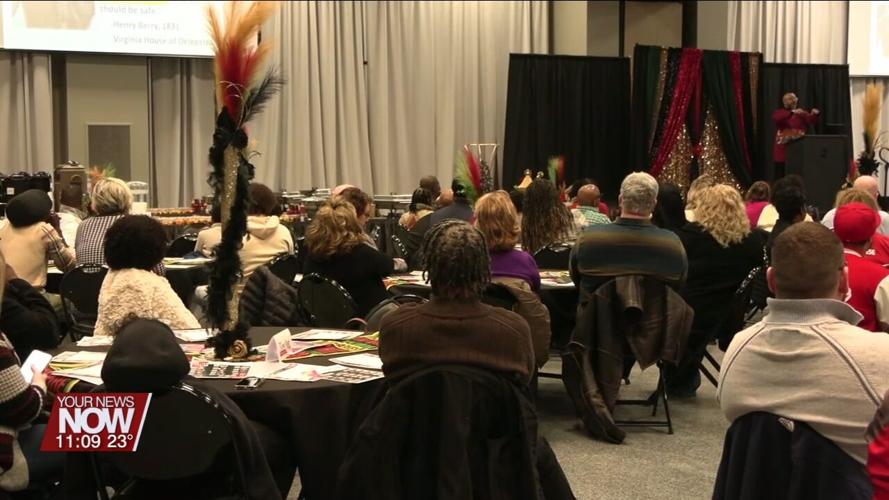
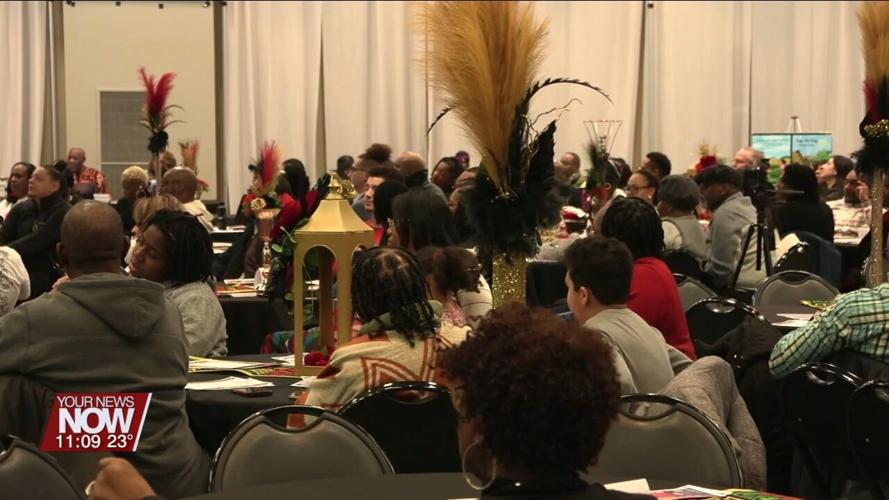

LIMA, OH (WLIO) - The Jegna Corporation brought the community together on Saturday to learn about the challenges today's youth face, and what we can do to help.

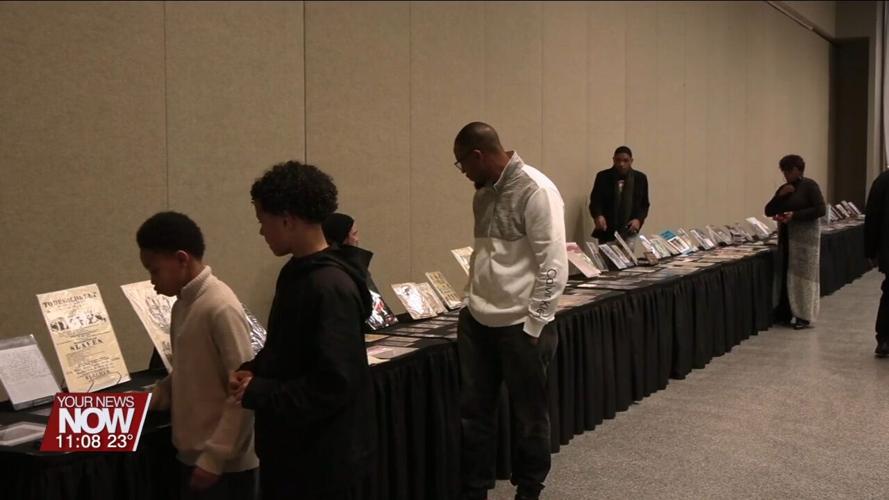
The I'm at Promise brunch was all about flipping the narrative from "at-risk youth" to seeing potential in all kids. The event also had a black history exhibit with photos and items from the days of slavery up to more modern African American culture. Speakers included Lima residents and nationally known professionals who spoke on the barriers that lead black youth to the prison system, and what community members can do to break that cycle.
"We all play a role in young people's lives in some way, shape, or form. And then sometimes there are families and youth that need us, and we may not understand what role we can play. So coming to events like we host through the Jegna Corporation, will always be first for youth, be for families, and be for professionals in our community," said Emmanuel Curtis, the CEO of the Jegna Corporation.

The keynote speakers emphasized education as a solution; both the importance of academic performance and educating everyone on black history.
"A lot of people aren't aware that the systems of policing that we have today started on slave plantations while they were targeting black people, and certain people in society were rewarded for capturing black people and it became a way of making money. And it's still a way of making money so that even today, private prisons are traded on the New York Stock Exchange," explained guest keynote speaker Dr. Chike Akua, who is an assistant professor of educational leadership at Clark Atlanta University.

"Education is key. But the problem is the education has to be correct but we also need to make sure that the right people are in there who are trained properly, correctly, in order to make those connections with the young people. If you got the wrong people in the space, or if they have inferior training, insufficient training, then we'll be asking the same questions 50 years from now," added keynote speaker Baruti Kafele, an education consultant and author.
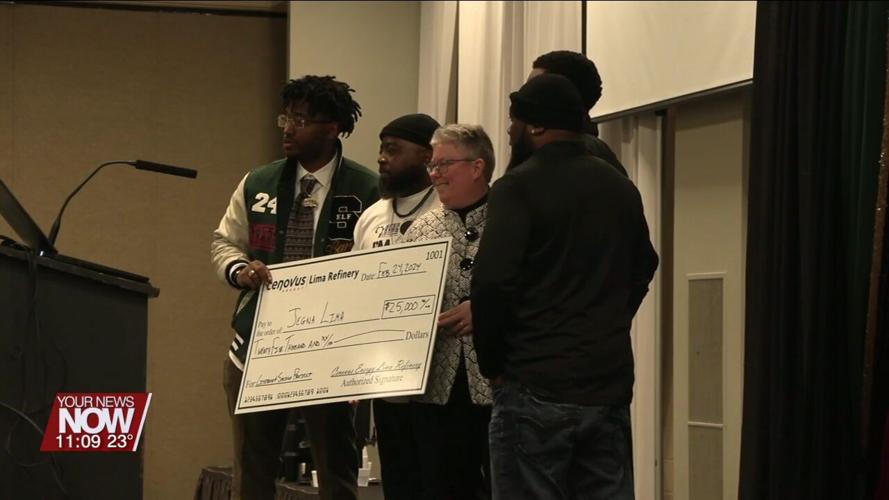
Cenovus Lima Refinery also announced they were making a $25,000 donation to the My Brother's Keeper program to help provide skilled trade work experience to boys of color.



