




COLUMBUS, OH (WEXNER MEDICAL CENTER) - Sexually transmitted infections, or STIs, are on the rise in the U.S., and unfortunately, a new survey finds an alarming number of Americans have dangerous misconceptions about how STIs are spread and who is at risk. Barb Consiglio has more on what you need to know to take charge of your sexual health.

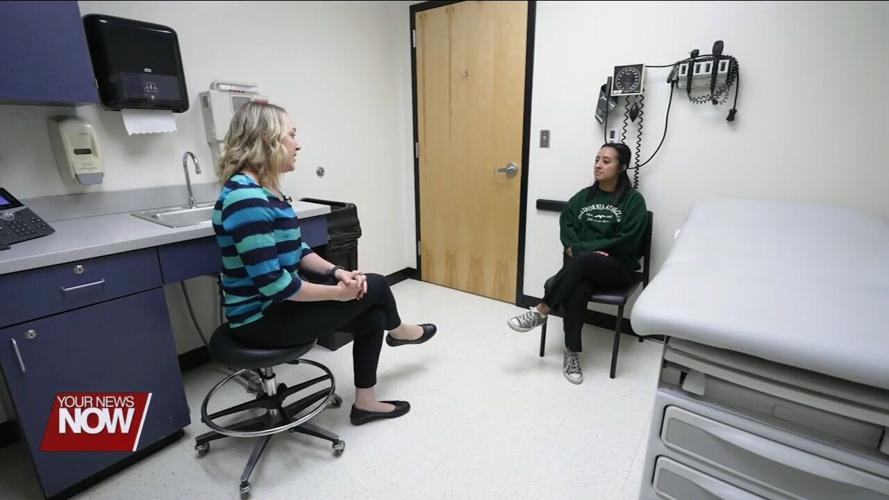
As a community advocate for sexual health, nurse practitioner Stacey Biffle-Quimba has heard every excuse for avoiding STI testing.
“Sometimes it might just be that they are concerned and they are not ready to hear the potential result,” said Stacey Biffle-Quimba, Columbus Public Health.
But getting tested is as important as ever as cases rise. Syphilis, for example, has increased a startling eighty percent over a five-year span.

“That is one of those things that patients either won't have symptoms or won't notice their symptoms because they kind of go away and that is an infection that can be fatal,” explained Biffle-Quimba.
Effective treatments are available for most STIs, but a new national survey by the Ohio State University Wexner Medical Center reveals misconceptions about the spread of STIs could delay timely diagnoses. The survey found over a third of Americans believe STIs can only be spread through sexual intercourse, a false assumption that is especially prevalent among those under thirty. It’s misinformation Doctor Jose Bazan (buh-zahn) says can only be combated through education.

“Having these conversations with our patients in a safe, non-judgmental, and really a patient-centered approach ultimately is going to be a critical tool in helping us to fight the epidemic of STIs," said Jose A. Bazan, DO, Ohio State Wexner Medical Center.
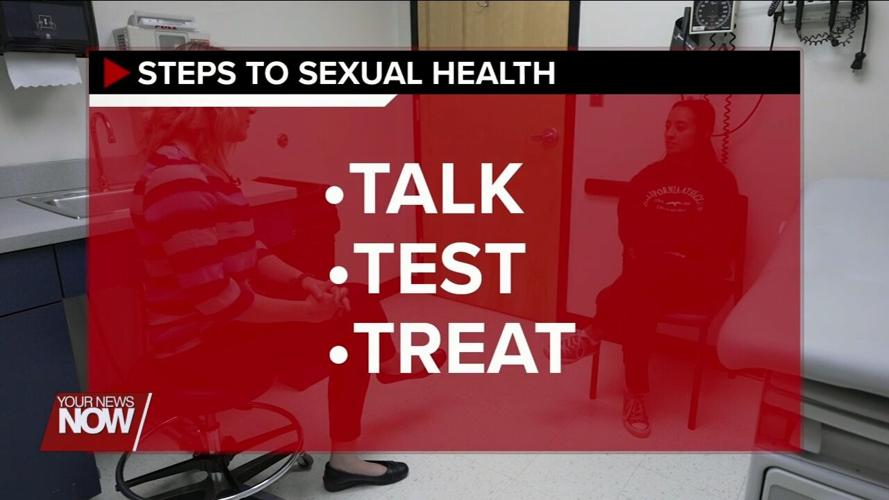
It’s the first step in the CDC’s mantra to talk. Test. Treat. The next step presents another challenge, as the survey also found one in five believe you should only be tested for an STI if you’re experiencing symptoms.

“I think a lot of people think, ‘If I feel fine, I am fine," said Biffle-Quimba.
But even without symptoms and even with safe sex practices, anyone who is sexually active should be routinely tested.
“We should feel as comfortable talking about sexual health topics as we do talking about blood pressure, cholesterol and diabetes,” suggested Biffle-Quimba.
Untreated STIs not only perpetuate the spread of infections but can lead to complications ranging from chronic pain and compromised immunity to infertility. Experts say it’s especially important for anyone who is pregnant or planning a family to be tested, as cases of syphilis being spread to babies during delivery has spiked by one hundred-eighty percent in five years and is extremely dangerous, often resulting in stillbirths or other life-threatening conditions.
This comes in the midst of a rising STI epidemic, including an 80% spike in syphilis
COLUMBUS, Ohio – Sexually transmitted infections (STIs) are on the rise in the U.S., including an 80% increase in syphilis over a five-year period, according to the Centers for Disease Control and Prevention. A new national survey by The Ohio State University Wexner Medical Center finds many Americans have misconceptions on how STIs are spread and who should be treated.
The national poll of 1,005 people found over a third of Americans (34%) falsely believe STIs can only be transmitted through sexual intercourse. In reality, there are many ways STIs can spread such as by kissing or sharing needles and even during childbirth. The survey also found that one in five Americans (20%) believe they only need to be tested for STIs if they’re experiencing symptoms.
“We’re likely still experiencing some of the effects of the COVID-19 pandemic when STI prevention services were completely shut down. A lot of STIs were undiagnosed and under-reported then, allowing these infections to spread within the population. The CDC’s latest surveillance data from 2022 showed an alarming increase in cases of syphilis and congenital syphilis,” said Jose A. Bazan, DO, a professor of clinical internal medicine with the Division of Infectious Diseases at Ohio State.
Congenital syphilis occurs when people pass syphilis to their babies during pregnancy, sometimes resulting in stillbirths or other life-threatening conditions. U.S. cases of congenital syphilis increased 180% from 2018-2022, according to the CDC.
“It’s important that pregnant individuals get screened for syphilis as this is a very preventable infection that can easily be treated with antibiotics. Unfortunately, the rising number of cases tells us we’re not reaching vulnerable populations in time,” Bazan said.
How to prevent STIs
The most effective way to prevent an STI is to use a condom and discuss STI testing with a doctor or sexual partner, said Stacey Biffle-Quimba, a family nurse practitioner who is program manager for sexual health and women’s health at Columbus Public Health in Ohio.
“Part of having a safe and healthy relationship with your partner is being able to have those conversations and say, ‘When was the last time that you were tested? What's your status?’ Preventing transmission to a partner is very important because that partner may have other partners and that's where it can turn into an epidemic. It's important that people be tested, especially if they've never been screened, have new sexual partners or have high risk sexual partners,” she said.
Vaccinations for HPV and hepatitis A/B are also effective, as well as the HIV medications for pre-exposure and post-exposure prophylaxis (PrEP and PEP). This month the CDC finalized new guidelines for using the antibiotic pill doxycycline for post-exposure prophylaxis (doxy PEP) in certain groups at risk for STIs.
“Doxy PEP is a new intervention taken within 72 hours after a sexual encounter with the hope that it can prevent them from acquiring an STI such as chlamydia, gonorrhea or syphilis,” Bazan said.
Importance of talking about, testing for STIs
For some people, infections like HPV, chlamydia, gonorrhea and HIV can develop without significant symptoms and may go undetected for long periods of time, resulting in serious health problems such as cancers of the anogenital tract, fertility issues, chronic pain and a compromised immune system.
“Doctors need to normalize talking about sexual health with their patients. We should feel just as comfortable talking about sexual health topics as we do about blood pressure, cholesterol and diabetes,” Bazan said.
The CDC recommends individuals and healthcare providers take three simple actions to help prevent the transmission of STIs: talk, test and treat. Several at-home testing kits are available for different STIs, including HIV, chlamydia, gonorrhea and syphilis.
“While these tests are convenient and private, it’s important to discuss the results with a doctor to determine if a repeat STI test or treatment is needed”, Bazan said. “Having these conversations in a safe and non-judgmental way is a critical tool in helping us fight the epidemic of STIs.”
Survey Methodology This study was conducted on behalf of The Ohio State University Wexner Medical Center by SSRS on its Opinion Panel Omnibus platform. The SSRS Opinion Panel Omnibus is a national, twice-per-month, probability-based survey. Data collection was conducted from April 5-7, 2024 among a sample of 1,005 respondents. The survey was conducted via web (n=975) and telephone (n=30) and administered in English. The margin of error for total respondents is +/- 3.4 percentage points at the 95% confidence level. All SSRS Opinion Panel Omnibus data are weighted to represent the target population of U.S. adults ages 18 or older.



