
LIMA, OH (WLIO) - Health experts also recommend taking a look at your drinking habits. Our Bethany Ulrick tells us why doctors suggest reducing your alcohol consumption in the new year.

Many in the United States have an unhealthy relationship with alcohol- around 10% are considered addicted. Healthcare professionals are particularly concerned not just about the frequency that people drink, but how often they're drinking far too much.

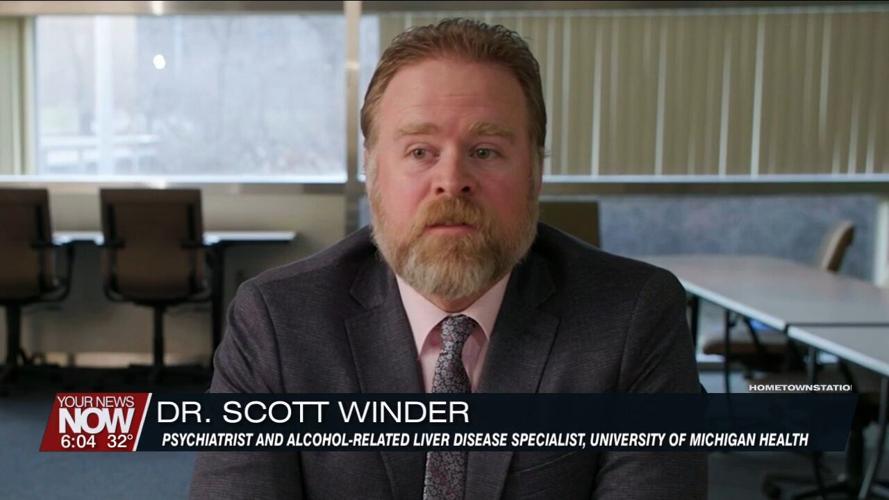
"The prevalence of heavy consumption of alcohol, daily, excessive consumption is about 6% of adults. But about one in four male adults, and one in five female adults have consumed enough alcohol to be considered an alcohol binge within the past month," explains Dr. Scott Winder, a psychiatrist and alcohol-related liver disease specialist at the University of Michigan Health."
Binge drinking, or drinking large and unsafe quantities of alcohol at once, can multiply your risk of going to the emergency room by as much as seventy times. Even if you don't need to make a trip to the hospital after a night out, regular excessive drinking can slowly degrade your health before you even notice.

"We can't always detect when it is causing problems in our physical body, we may not understand when it's raising our blood pressure affecting our heart muscle, we may not understand that we're increasing our cancer risk or damaging our liver," Winder continues.
In order to address unhealthy drinking, it's important to understand what might be causing your habit. According to Winder, around 40% of people with alcohol use disorder are also suffering from mental health concerns like depression or anxiety, problems that can't easily be solved by yourself.
"It might be a good idea to seek out professional help, it might be a good idea to avoid instances where alcohol is prevalent, it might be an opportunity to speak to loved ones, to be more honest, than we normally are, be more open, rather than trying to convince ourselves that we're okay, or covering up with what we feel with alcohol," Winder recommends.
If you need help taking the next steps, you can call the Substance Abuse and Mental Health Services Administration hotline at 1-800-662-HELP.



