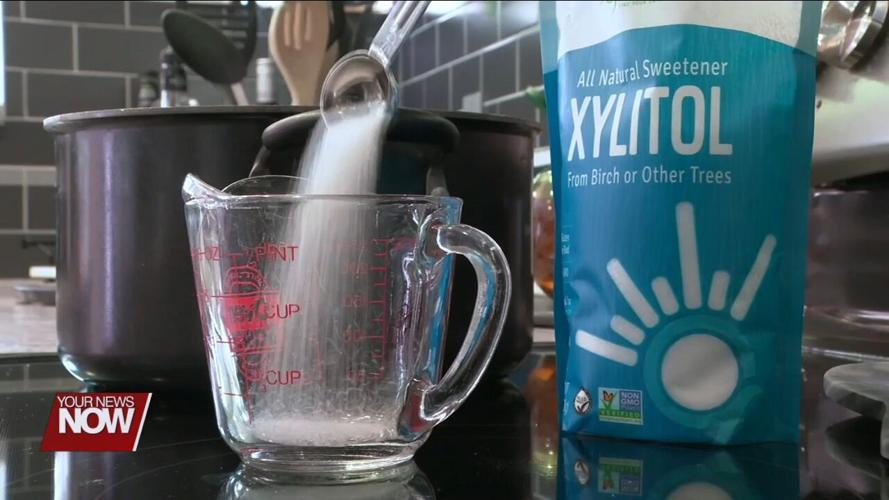


CLEVELAND, OHIO (CLEVELAND CLINIC) - Cleveland Clinic research has found a link between xylitol, which is an artificial sweetener, and an increased risk for heart attack and stroke.

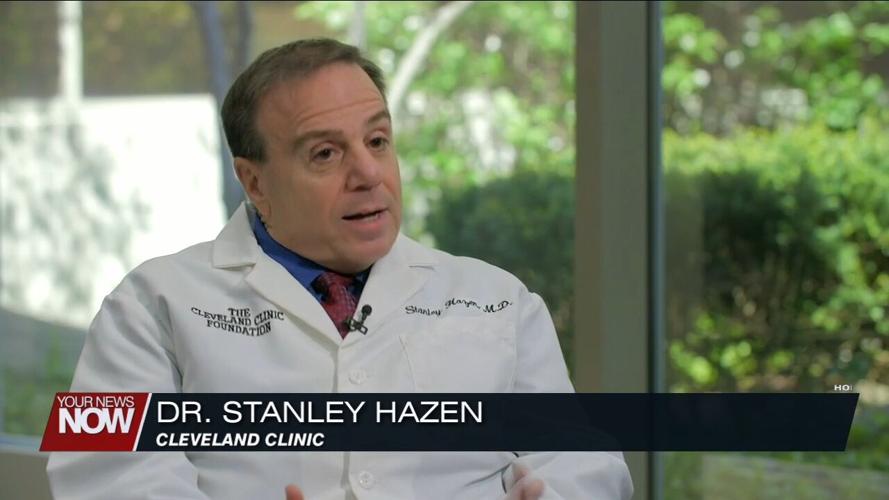
“This is the second sugar alcohol that we’ve identified that at physiologic ranges, the levels that we’re seeing in the blood, is linked to heightened clotting risk, heightened risk for heart attack, stroke and frankly, death,” said Stanley Hazen, MD, PhD, physician scientist for Cleveland Clinic. “So, one thing to do is to try to avoid it, especially consuming it in large amounts.”
Dr. Hazen, who led the study, said xylitol isn’t as common as other artificial sweeteners, but it is used in some keto-friendly and low-calorie foods.

It’s also used in oral products, like toothpaste.
However, he said toothpaste isn’t a concern since you don’t ingest it.
So, what is a safe alternative to xylitol?
Dr. Hazen said it’s best to eat whole foods instead or, when possible, something sweetened with sugar or honey, but make sure it’s in moderation. He notes there isn’t enough research on other artificial sweeteners. However, he hopes that will change in the future.
“One of the things I would like to see happen out of this research is a reappraisal of the regulatory guidelines around artificial sweeteners, or at least a call for more research on this topic so that we can drill down and make sure we’re not inadvertently having people reach for something they think is a healthy choice, and it not be a healthy choice,” said Dr. Hazen.
Dr. Hazen found similar results with the artificial sweetener erythritol.
It too increased the risk for heart attack and stroke.



