
The thought of staying at home may not sound too bad at first. You might have more time to relax or maybe even spend more time with family. But what about those who live alone?

Ohio Northern University Psychology Professor Ann Johnson says a lack of social interaction during this time can trigger depression and anxiety.
“Isolation impacts both of those things to an extent, which could make life difficult for those who already have mental health issues and even for those who haven’t physically experienced those issues find it kind of challenging to deal with life,” she said.
Johnson says one of the best things people can do to help those who are isolated is to reach out to them.

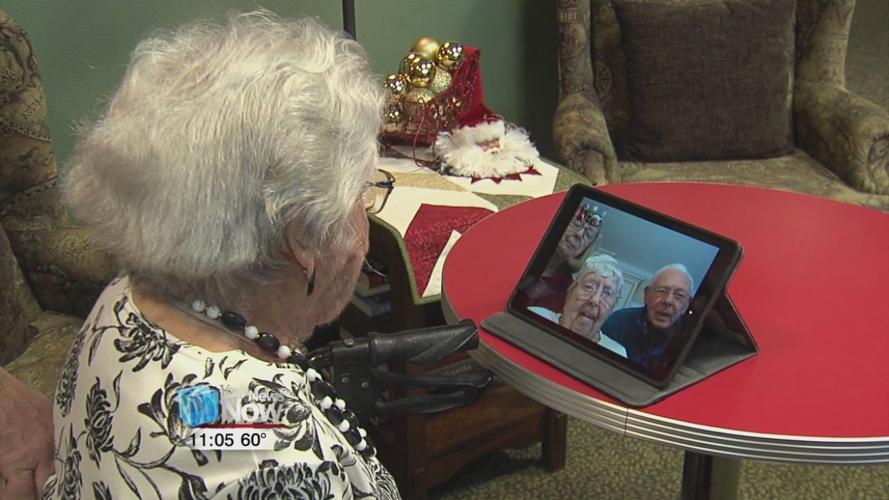
“We can give them a call, send a text, use video calling or video chatting as a way to get in touch with our older relatives especially those that we want to make sure we’re having contact with who otherwise would be pretty isolated,” she said.
For those who have children at home during this time, she suggests that you be cautious of what you share with them. Sharing too much information could potentially add to stress to their lives.
“Obviously they need to know something because they’re stuck at home now and they’re not going to school or their usual activities,” said Johnson. “But they probably don’t need to hear every little detail about what’s going on in the world.”

To help alleviate the stress, Johnson says its best to implement physical activity into your regular routine.
“It’s not just good for parents to sort of maintain their mental health, but also for the kids because they need that time outside too,” she said. “Sometimes having contact with nature can help survive that, especially if you’re able to.”



