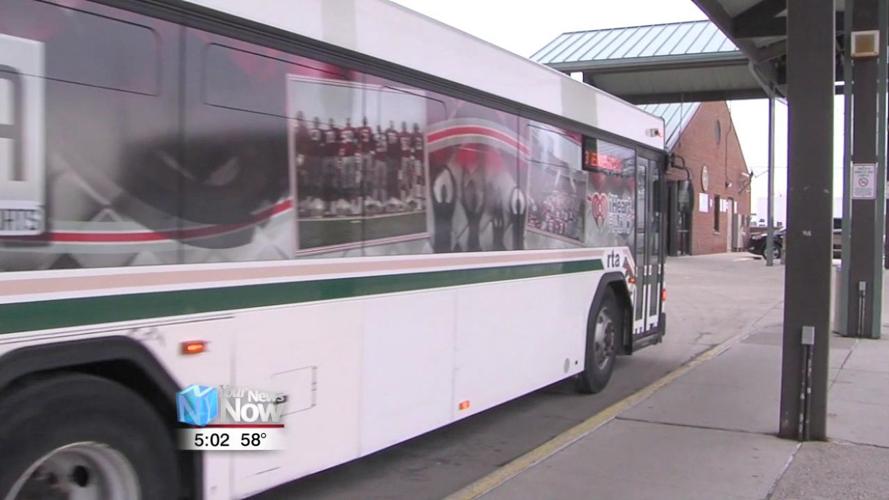
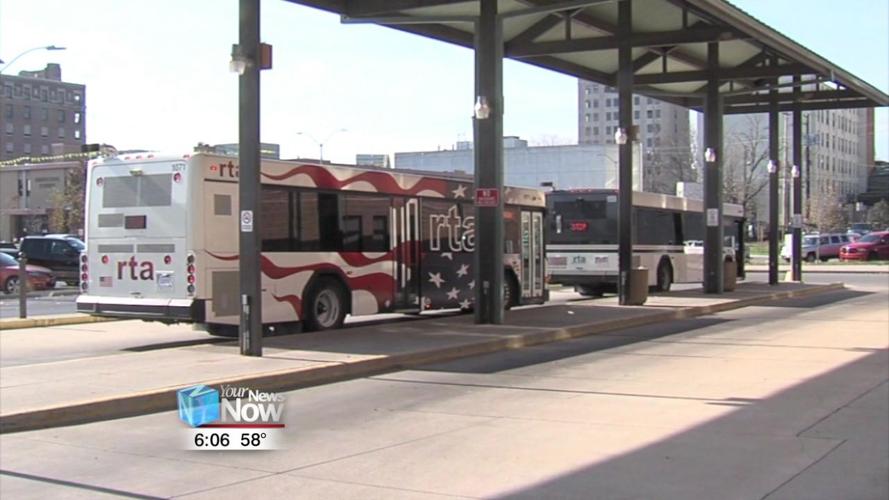
Mayors from around Allen County are backing the Regional Transit Authority (RTA) as they try again for community funding support.

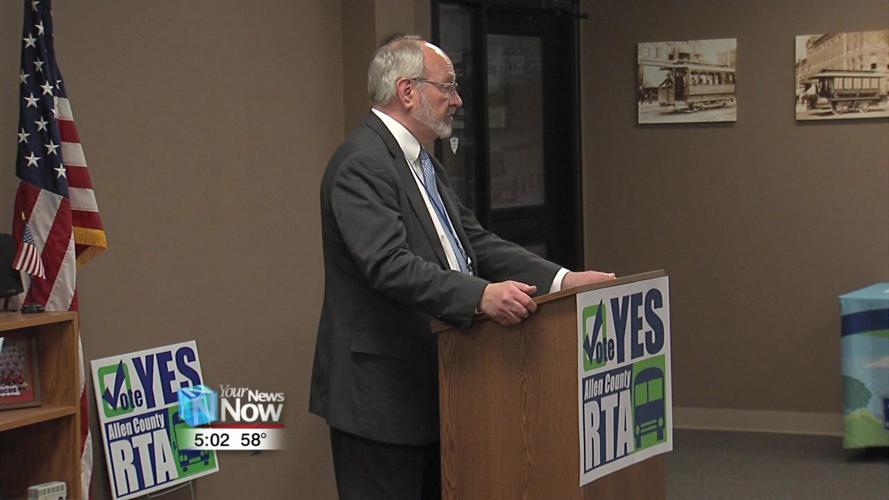
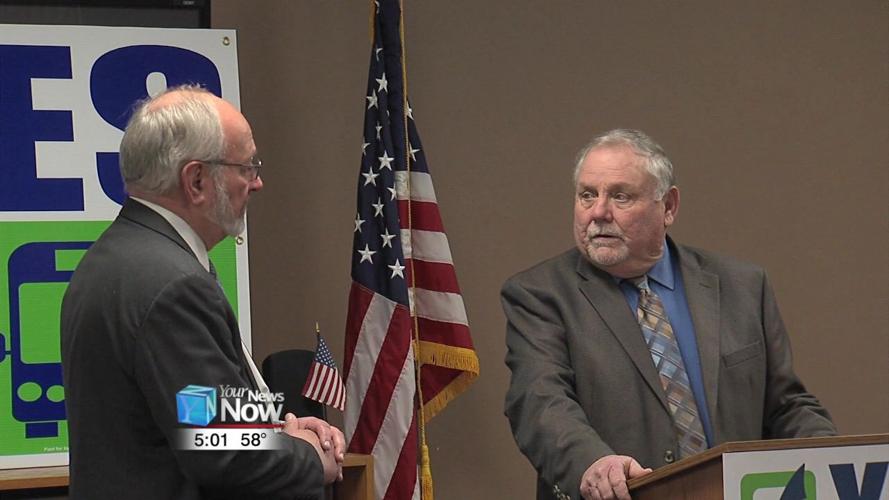
Mayors David Berger of Lima and Richard Johnson of Bluffton came together to represent seven mayors from around Allen County who are coming out in support of the proposed RTA levy that will be on the ballot for the May primary. Mayors Todd Wilkin of Cairo, Josh Gillespie of Delphos, Kim Hardy of Elida, Shannon Rumer of Harrod, and P.J. Johnson of Spencerville have also committed to supporting the levy, although they were unable to make it to the news conference.
Mayor Johnson of Bluffton says that the service is vital for some of his citizens who have no other transportation available in their small community to get to work, other than the RTA buses.

"Bluffton's a small community," said Johnson. "We, of course, don't get as much as the big city but we're glad they're there to provide for our citizens and the ones that need to use it. We ask these people to get a job, go to work, and if they can't get there we need to find a way for them to get there."
Berger says one of the reasons so many mayors are supporting the levy is because of the extra services they offer for the elderly and disabled, like the UPLIFT ride shares.
"The UPLIFT service, which is the door-to-door service that's provided to elderly and handicap folks throughout the county, and I think as I reached out to mayors throughout the county, that was real news to everybody," said Berger. "They did not understand that that set of services were available nor the thousands of people that are served throughout the county through that kind of system."

While they were not able to voice their support in person, Mayors Gillespie, Hardy, and Wilkin sent statements of personal support that were read. The Delphos and Lima City Councils and the Bluffton Village Council have all passed resolutions in support of the levy as well.
The state transportation budget bill is expected to increase what's set aside for transit agencies like the RTA from $33 million to $70 million for the next two years, but that money most likely won't help the RTA out of its bind.

RTA Executive Director Shelia Haney says in the past their state money has had to go toward capital improvements and not toward operating costs, which is the area they need the most help with. She says the RTA will most likely apply for some of that money to possibly buy more vans for the uplift service, but they will have to go looking somewhere else to match the 50 percent of their operating costs that they're responsible for.
"Our operating is what gets us in trouble because we've never been able to fully use our federal funds that's available because there's always been that 50 percent match," said Haney. "In our cost operating here for the last ten years has averaged $3.2 to 3.7 million a year and we receive $1.2 million on an average of grants for operating, so that means we have to come up with the rest and we have no designated funding to do that."

Haney says they have had to get creative to come up with their portion of the costs before, by selling lottery and Greyhound bus tickets out of their terminal as well as stocking vending machines and selling gasoline to local non-profits at a discounted rate.



