The Children's Health Insurance Program, also known as CHIP, was refunded by Congress in the latest short term budget, but thousands in Ohio alone could be affected by an uncertain funding future for a different kind of health care. Community health centers all over the country are at risk.
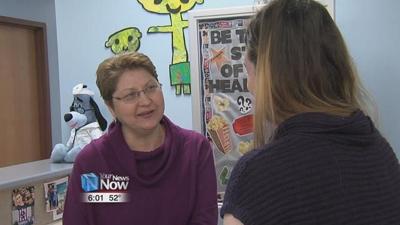
"It's not really controversial," says Janis Sunderhaus, C.E.O. of Health Partners of Western Ohio. "What we do is good, simple common sense."
Community Health Centers offer primary care for low-income families. Without them, those families would have to turn to pricey visits to the emergency room or forgo care altogether and potentially end up hospitalized. Sunderhaus says that because the purpose of community health centers has always seen bipartisan support, worry over funding was not an issue.
"Health centers historically have been supported by both Republicans and Democrats, so when our funding came up along with the CHIP program at the end of September, the expectation was that it would be supported by both parties and it would be an easy pass," says Sunderhaus.
Only 20% of the Health Partners of Western Ohio Community Health Center is federally funded and because of that, they have not yet been affected by a lack of federal cash flow. But, there are many centers across the country who rely on that money for a bigger part of their budget, and are vital to their communities.
"I have a friend in Atlanta who runs a homeless clinic that is 80% federally funded by their grant because most of their people are uninsured," says Sunderhaus. "A two week cut in their grant funding could mean that they have to close services, so people need to speak out that the services we offer is primary care. It's core to our communities, it's core to our children doing well in school, and our seniors, making sure that they're getting their diabetes and their high blood pressure managed."
Sunderhaus says she is optimistic a resolution in favor of community health centers will be reached soon.



