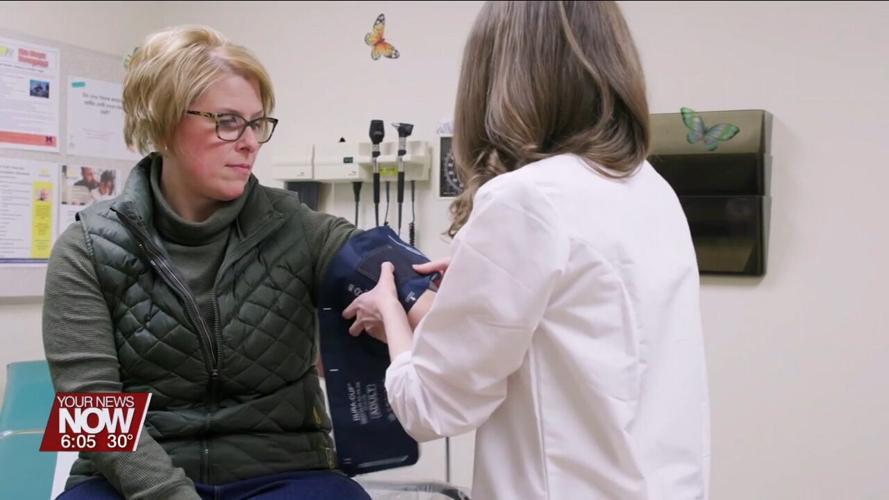
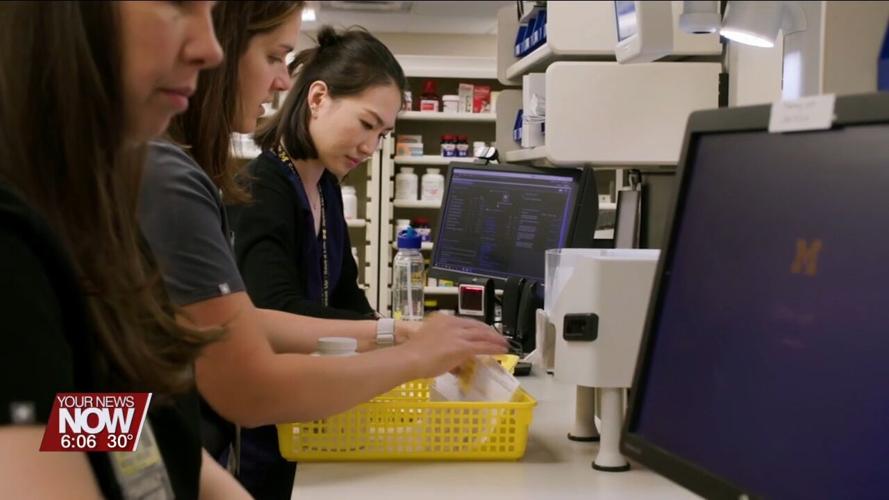


ANN ARBOR, MI (UNIVERSITY OF MICHIGAN HEALTH) - High blood pressure affects nearly half of all American adults. And the Centers for Disease Control and Prevention is looking to expand a program to help patients control it. The program was developed at the University of Michigan Health and connects community pharmacists to help monitor patients’ high blood pressure and medication, working with physicians to make adjustments when necessary. The leader of the program says this is a more accessible way to handle hypertension.

“So, while we have amazing pharmacists working with our patients in the clinic, we wanted to take this care out in the community so that patients have access to pharmacists’ care in a close proximity to their home, as well as have a place where they could go to that's more convenient for them. And having access to this care will help improve the blood pressure control we're trying to achieve in our patients,” says Dr. Hae Mi Choe, University of Michigan.
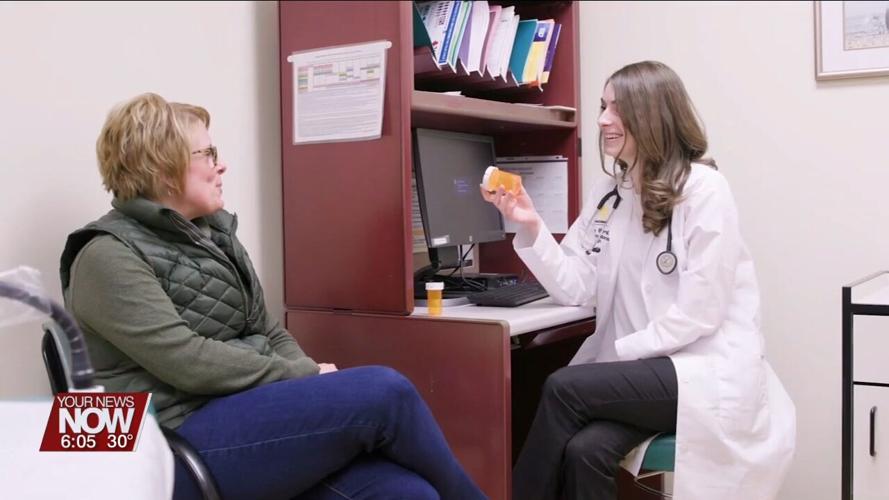
Through the program, pharmacists consult directly with patients, discussing lifestyle factors like diet, exercise, smoking, and stress that can influence blood pressure. They can make sure patients are taking the appropriate medications and assess any factors that could keep the patient from taking them regularly, including cost.

“The right treatment can not only save lives but improve quality of life. Pharmacists can play a key role in helping our patients better understand their high blood pressure medications, why they're important, and when a recommended adjustment and dose is needed. What's really important is that it takes an entire care team, including our pharmacists colleagues, to ensure we are providing the highest quality care for our patients,” adds Dr. David Miller, Pres. University of Michigan Health.
The CDC says that around 2/3 of patients who met with a pharmacist in the program got their hypertension under control within three months, compared to just 42% of those who did not meet with a pharmacist.



