


Whether in a pool, lake, or ocean, experts urge that enjoying the water comes with known dangers.
ANN ARBOR, MI (UNIVERSITY OF MICHIGAN) - Last week, an 11-year-old boy drowned while swimming in Lake Erie as his family visited a beach in Euclid. Incidents like this are preventable, and doctors have some tips on how to keep your day of fun from ending up in the ER.

ER doctors say there are several strategies that can help prevent injury and death, starting with knowing what drowning most commonly looks like.
In the summer heat, people look for any way to get in the water and cool off. Whether in a pool, lake, or ocean, experts urge that enjoying the water comes with known dangers.

Dr. Brad Uren, emergency physician at University of Michigan Health.
According to the CDC, every year in the United States, there are over four thousand unintentional drowning deaths, and there is an even greater number of Americans who survive drowning incidents, which can result in serious injuries or disability. ER doctors say there are several strategies that can help prevent injury and death, starting with knowing what drowning most commonly looks like.

Children are a group at great risk of drowning incidents.
"I think most people have an idea that comes from TV or popular media that someone who's drowning will be thrashing around yelling for help, when in reality, someone may silently slip below the water when they're drowning, and they may not make a sound. And that's why it's so important that if you're supervising children or someone in the water, that you maintain vigilance at all times," says Dr. Brad Uren, emergency physician at University of Michigan Health.
Children are a group at great risk of drowning incidents. More children between the ages of one and four die from drowning than from any other cause of death. And downing is the second-leading cause of unintentional injury death for kids between five and fourteen. And doctors say parents cannot be lax when the kids are in the water.
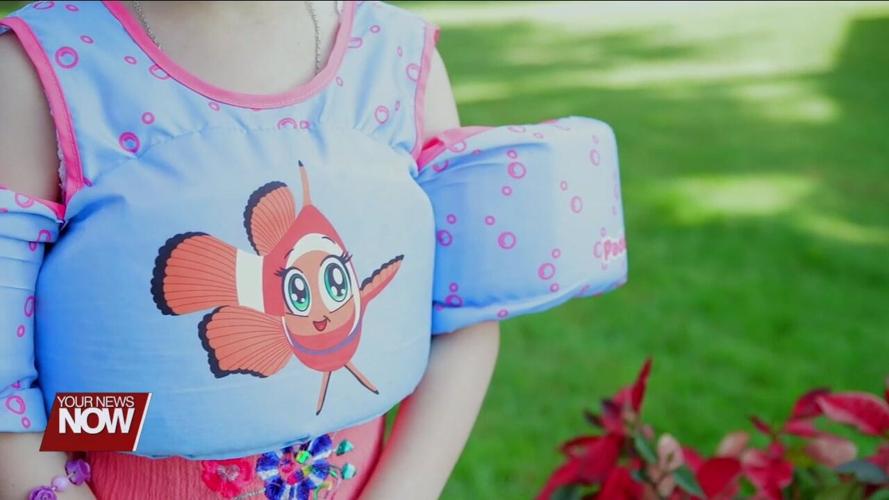
"It's important to be prepared. And that means making sure that you have size-appropriate flotation devices for the children, that there's a plan to supervise them. Someone should always be watching the kids while they're swimming. And that means not on the phone, not reading a book, not running the grill, but really keeping an eye on the children so that if they get into trouble, you can act immediately," adds Dr. Uren.
When jumping into the water, especially in lakes where a lot may change beneath the surface, Dr. Uren says it's always safer to go in feet-first to avoid a potential head injury.



