


COLUMBUS, OH (OSU James Cancer Hospital and Solove Research Institute) - Rates of colorectal cancer continue to climb in young Americans, by roughly 2% a year. Barb Consiglio has the details on a new survey that reveals many Americans are unaware of the risk factors for colorectal cancer that they have the power to change.

Will Triplett was a healthy guy, busy running a business and raising a family when colorectal cancer stopped him in his tracks.
"It's definitely not what you think you're going to get diagnosed with at 43 years old," commented Will Triplett, a colorectal cancer survivor.

The rate of colorectal cancer has been steadily rising in those under the age of fifty for years, and while the exact reasons are unknown, doctors suspect it has a lot to do with lifestyle.
"It's very important to understand your risks for colorectal cancer. Some of the things you can control and some of the things you can't," stated Dr. Matthew Kalady, OSU James Cancer Hospital and Solove Research Institute.

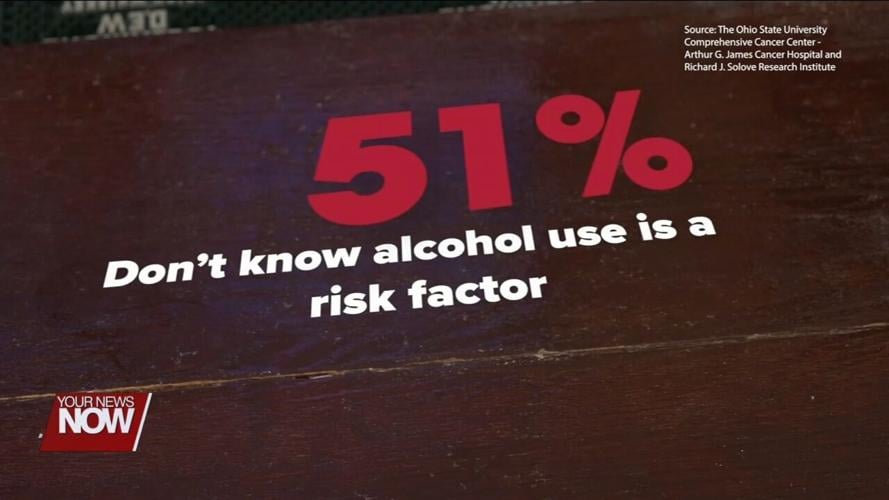
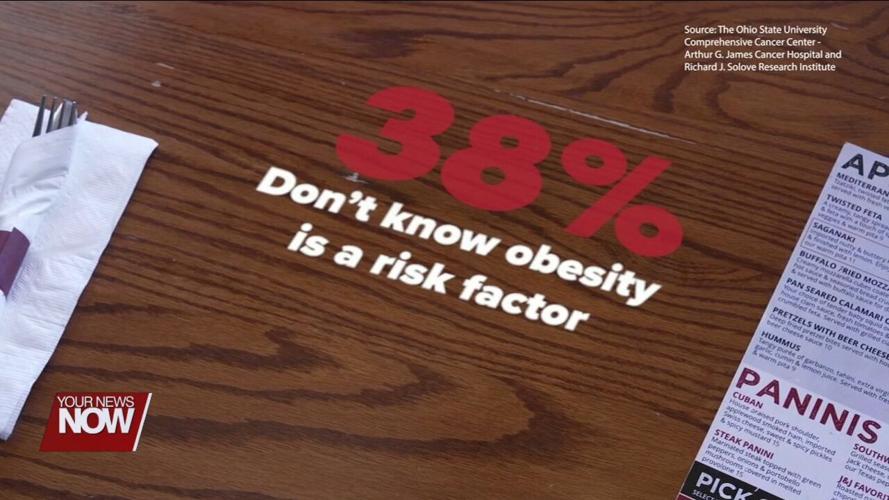
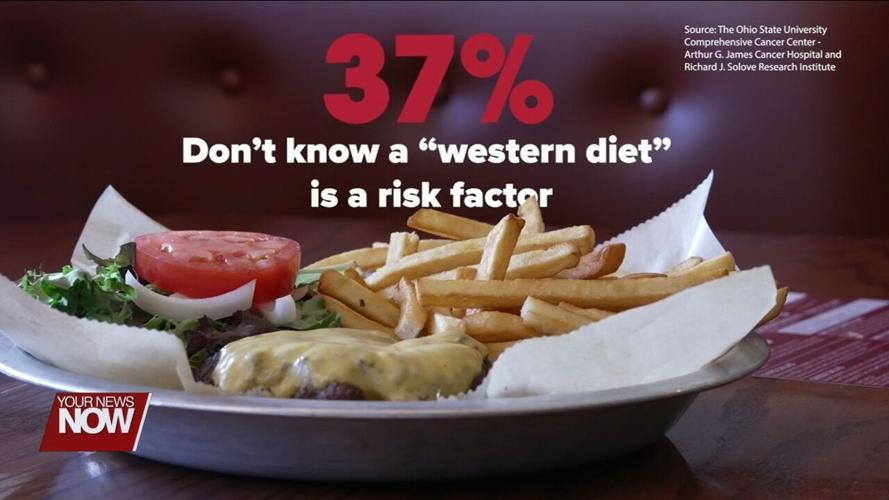
A new national survey by the Ohio State University Comprehensive Cancer Center—James Cancer Hospital and Solove Research Institute found that Americans are much more likely to know about the factors they can't control, namely family history than the ones they can. For example, more than half are unaware that alcohol use is a risk factor for colon cancer, and more than a third failed to identify risk factors like obesity and a "Western diet" that is high in red meat and processed foods.

"Those are things that affect colorectal cancer in general or impact colorectal cancer in general, but also those things seem to be a little bit more prevalent in some of the younger populations these days," said Dr. Kalady.
After treatment and surgery, Will is cancer free. He says too many people—especially men—put off colorectal cancer screenings and ignore symptoms, but knows firsthand that speaking up can save your life.
"You don't want bad news to potentially be worse news. Make an appointment with the primary care doctor and tell them what's going on," added Triplett.
May 1, 2024 Press Release from The Ohio State University Comprehensive Cancer Center: COLUMBUS, Ohio – In a time of inactive workdays and rising obesity rates in America, most people don’t know that what they eat, drink and how much they move can impact their risk for colorectal cancer, a highly preventable form of cancer that is affecting a growing number of people in their 30s, 40s and 50s.
Experts at The Ohio State University Comprehensive Cancer Center – Arthur G. James Cancer Hospital and Richard J. Solove Research Institute say this is especially concerning because rates of colorectal cancer continue to rise in people under age 50 while continuing to go down in older people – largely due to cancer screening tests (colonoscopy).
“We know that screening colonoscopy saves lives by detecting the disease in its earliest and often precancerous state, but it’s not recommended for a person of average risk before age 45 right now,” said Matthew Kalady, MD, chief of colorectal surgery at the OSUCCC – James and professor at The Ohio State University College of Medicine.
Alcohol, obesity and diet are increasing risk for colorectal cancer
A recent survey commissioned by the OSUCCC – James found that, while most U.S. adults identify family history (DNA-based risk passed down through families) as a risk factor for colorectal cancer, other factors such as alcohol use, lack of physical activity and an American diet that is high in fat and processed foods were less known.
For this consumer survey, about 1,000 adults aged 18 or older were asked about their knowledge of risk factors for colorectal cancer. Results showed:
· Less than half of respondents know that alcohol use is a risk factor (49%)
· 2 in 5 don’t know a lack of physical activity is a risk factor (42%)
· More than a third don’t recognize obesity or an American diet (high fat, processed foods) as risk factors (38% and 37%)
· 4 in 5 know family history is a risk factor
Black and Hispanic people at increased risk, know less about risk factors
Lack of knowledge about colorectal cancer risk factors was highest among Black and Hispanic individuals compared to white people. According to the American Cancer Society, Black Americans are more likely to develop and die of colorectal cancer. The organization also says incidence of this disease among Hispanic Americans is rising faster than any other
racial/ethnic group. More awareness of the risk factors could encourage people to get screened or make lifestyle changes that reduce the chances of developing colorectal cancer.
Colorectal cancers have been rising in people under 50 for two decades
According to data from the National Cancer Institute, rates of colorectal cancer have been rising since the 1990s in people under age 50. This is especially concerning since the U.S. Preventive Task Force only recently lowered the recommendation from age 50 to 45 – which means that many people are developing cancers before screening is recommended.
“It’s important for people to understand that many factors contribute to colorectal cancer risk, and it is never too late to make changes to help reduce risk where you have the power to do so. Those changes won’t just impact your cancer risk, they will likely improve your health overall,” said Kalady.
He said no one should discount the power of a healthy lifestyle. This includes eating a diet that is high in fiber, low in fat with limited red meat, and four to six servings of fruits and vegetables daily. This will help maintain a healthy weight and reduce inflammation.
“The more weight that you carry above your ideal weight puts you at a higher risk of developing colorectal cancer, so taking some simple but important steps – like a healthy diet and regular, moderate exercise – go a long way for overall health,” Kalady said.
He noted that, while inherited risk is less common, it can greatly increase a person’s lifetime risk for colorectal cancer for those impacted, so it is important to seek genetic counseling if appropriate.
Get symptoms checked, regardless of age
“People can do everything ‘right’ and still get cancer – that’s why it’s so important that anyone having symptoms of colorectal cancer seek medical advice right away, regardless of age. Early-stage cancer is highly treatable and often completely curable. The chance for cure goes down with advanced disease,” said Kalady.
Some of the more common symptoms of the disease include rectal bleeding, sudden changes in bowel habits, unexplained weight loss and abdominal/bowel pain.
To learn more about colorectal cancer treatment and research at the OSUCCC – James, visit cancer.osu.edu or call 1-800-293-5066.
Survey Methodology
This consumer survey was conducted on behalf of The Ohio State University Comprehensive Cancer Center by SSRS on its Opinion Panel Omnibus platform. The SSRS Opinion Panel Omnibus is a national, twice-per-month, probability-based survey. Data collection was conducted from Feb. 2-4, 2024, among a sample of 1,006 respondents. The survey was conducted via web (n=976) and telephone (n=30) and administered in English. The margin of error for total respondents is +/- 3.5 percentage points at the 95% confidence level. All SSRS Opinion Panel Omnibus data are weighted to represent the target population of U.S. adults ages 18 or older.



