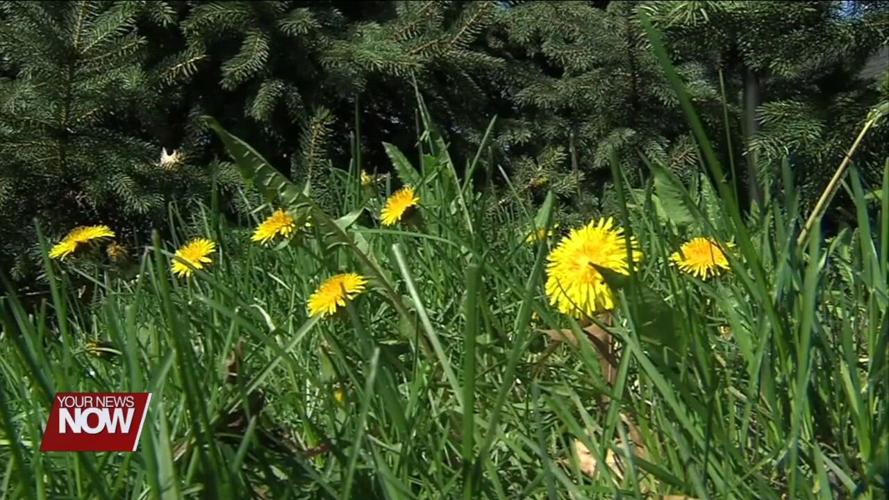
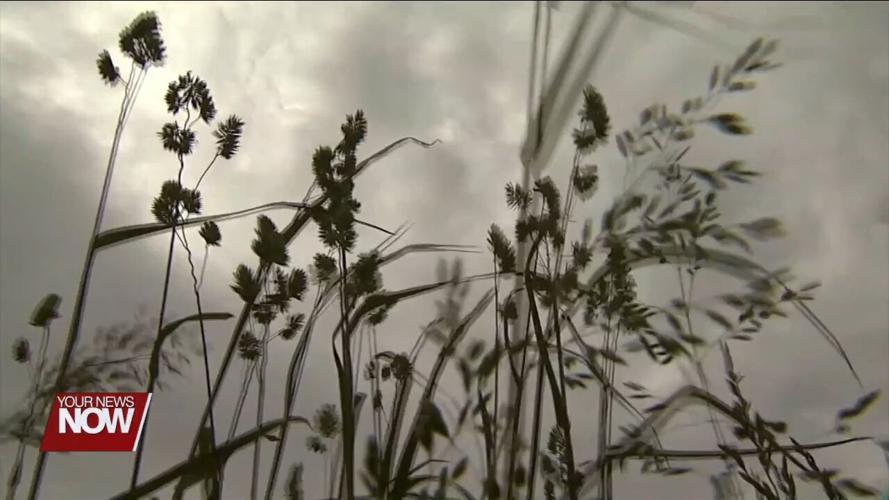


Grass pollen and ragweed are common allergy triggers in the summer, and it can be hard to avoid them.
CLEVELAND, OHIO (CLEVELAND CLINIC) - If your child is sniffling and sneezing this summer, they could have allergies. So, what’s the best way to treat them? Richard So, MD, pediatrician for Cleveland Clinic Children’s, has some advice.

For starters, you can give your child an antihistamine or nasal spray.
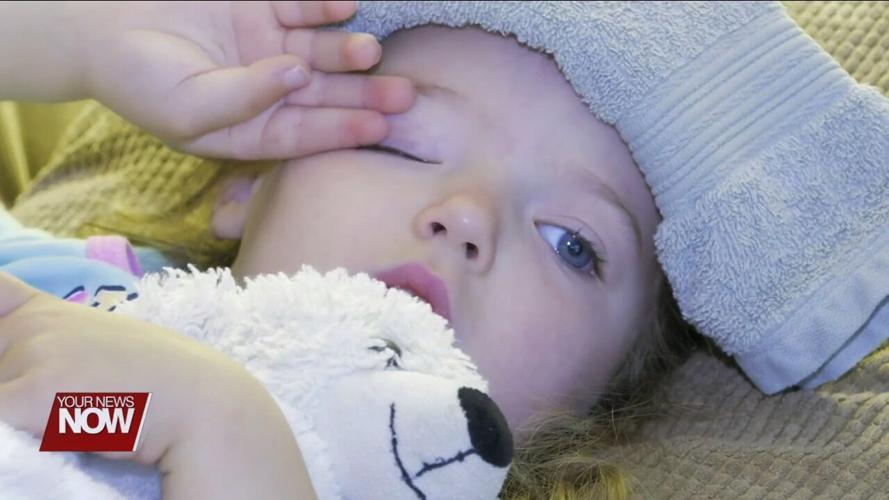
“The first thing you need to do to treat an allergy is you have to avoid the allergen. So, you want to bathe or shower your child after playing outside,” said Dr. So. “If they go to bed and they haven’t showered and the pollen is sticking to their face, it's in their hair, then they're lying down and they shake, it goes on their pillow. They're inhaling it. They rub their eyes, and they wake up with crusty eyelashes.”
Grass pollen and ragweed are common allergy triggers in the summer, and it can be hard to avoid them. Dr. So said that besides rinsing off at the end of the day, there are some preventative measures you can take too. For starters, you can give your child an antihistamine or nasal spray. They make versions specifically for kids. Eye drops may be helpful for itchy eyes. Dr. So also suggests keeping your windows closed in the summer to keep any pollen from getting inside. And if you’re able to, it’s worth investing in an air filter.

Also keeping your windows closed in the summer to keep any pollen from getting inside.
“If you have an air filter, like a HEPA air filter, I would make your child's bed, put the air filter in there, turn it on high, and I would vacuum the carpet, I would vacuum the curtains, the blinds, anything you've got, even the stuffed animals,” said Dr. So. “And remember, when you vacuum, you're pulling the dust up, you're pulling all the pollen out. But if you leave that air filter on for an hour, that should clean up all the allergens in your child's bedroom. After you've done that, then you change the sheets, and you should have a good allergy proof room.”
Another tip on how to know if your child has allergies or is sick from something else is to look for signs of a fever. With allergies, they won’t have a fever.



