



COLUMBUS, OH (OHIO STATE UNIVERSITY) - Heart disease is the number one cause of death in the United States and most people know they should reduce their risks with a healthy lifestyle and routine checkups. But there are often clues lying under the surface that can't be seen through standard screenings for blood pressure, cholesterol, and glucose. Barb Consiglio has more on the three heart health tests you've likely never heard of but can give you important insight into your future risks.

Despite her healthy lifestyle, Lori Welsh had a heart attack at 47.
"When you sit in front of a genealogical chart and you're looking at five generations of heart attack and stroke and death in their fifties, it kind of pops out at you," said Lori Welsh.

Lori is predisposed to high levels of a form of cholesterol called lipoprotein(a), a genetic risk factor for developing heart disease that affects about 20% of the population.
"It's another form of bad cholesterol that is similar to LDL, which many people are familiar with, but it has an additional property of contributing to clotting and plaque formation even beyond that which LDL can promote," explained Wesley Milks, MD.

Another distinction — lipoprotein(a) is not detected on standard cholesterol tests and does not improve with diet and exercise. That's why Dr. Wesley Milks, a cardiologist at The Ohio State University Wexner Medical Center, says it's important to ask for this blood test if you have a family history of coronary artery disease. It's one of the simple, but little-known screenings that can give you and your doctor a clearer picture of your risks.
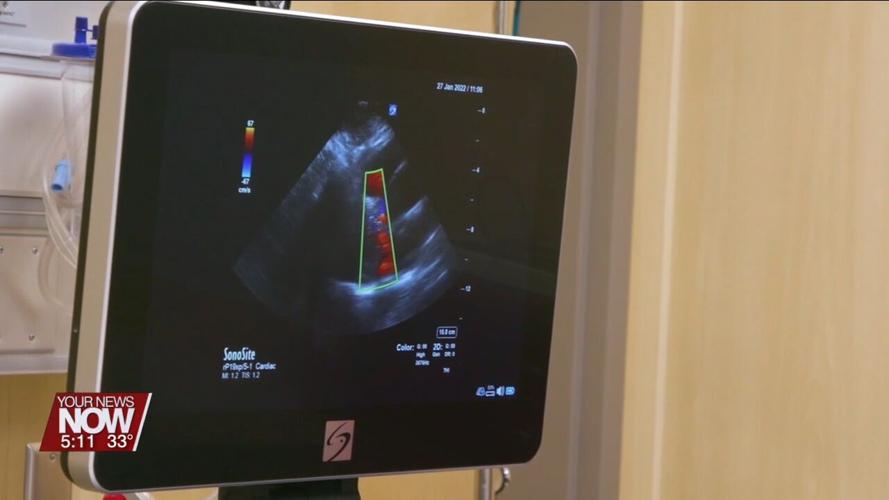
Another is an ultrasound to specifically look for signs of aortic aneurysms — damage to the body's largest artery that can quickly become life-threatening if a rupture occurs. Those at risk—men over age 65 or age 55 if they have a family history of aortic aneurysms and women over age 65 who have smoked.

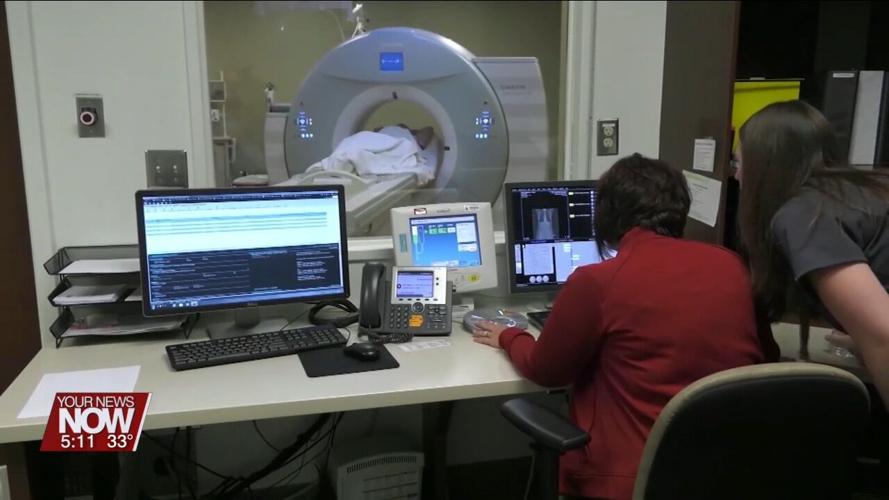
A third useful heart test, especially for those aged 40 to 65 — is a coronary calcium scan, which uses CT technology to detect the early stages of plaque formation.
"So if somebody even has a little bit of detectable coronary calcium earlier in life, that might represent an abnormal or premature development of atherosclerosis, which could indicate more aggressive preventive therapies," added Dr. Milks.
Lori is now part of a clinical trial at Ohio State to test an investigational drug to lower lipoprotein A levels and says just knowing about her condition is empowering.
"You need that full picture to be able to make decisions for your health," said Welsh.
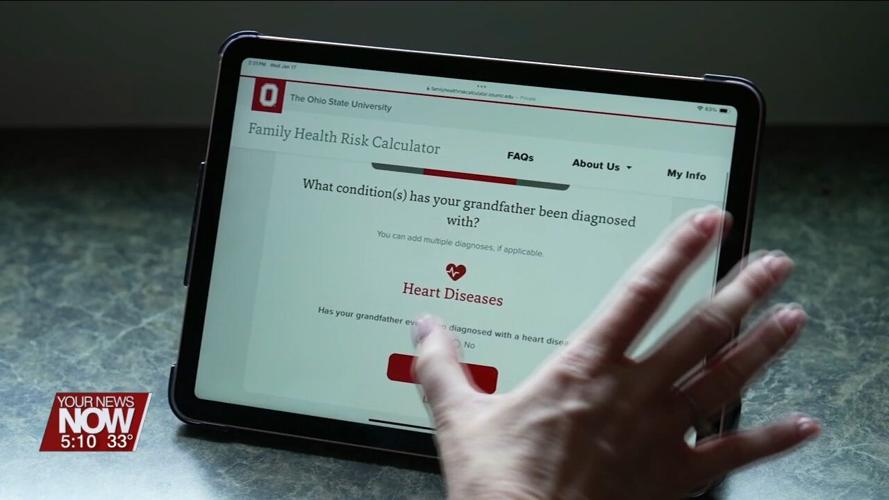
January 24, 2024 Press Release from The Ohio State University Wexner Medical Center: COLUMBUS, Ohio – Heart disease is the No. 1 cause of death for men and women in the United States. Eating a healthy diet and exercising help keep the heart healthy along with regular checkups with a doctor. While doctors routinely check blood pressure, glucose levels and HDL (“good” cholesterol) and LDL (“bad” cholesterol) levels, there are three heart screenings that many people are not familiar with and can help prevent serious cardiac events even if there aren’t any symptoms. Using tools like The Ohio State University Wexner Medical Center’s Family Health Risk Calculator to document family history of heart disease can help detect issues early on and lead to preventive treatments.
“It’s important for people to be aware of the risk factors for heart and vascular disease so they can have an open discussion with their healthcare provider about what can be done to lower their risk,” said Wesley Milks, MD, cardiologist and clinical assistant professor of internal medicine at The Ohio State University College of Medicine.
High lipoprotein(a) levels run in the family
Milks specializes in the management of lipids, which are fat-like substances such as cholesterol that can cause heart attacks and strokes. While diet, exercise and medication have a direct impact on cholesterol levels, that’s not the case for lipoprotein(a), also known as Lp(a). It’s an inherited heart risk and can’t be lowered by usual medication or lifestyle changes. High levels of Lp(a) can cause atherosclerosis (buildup of fats and cholesterol in the arteries) as well as inflammation and increased clotting. About 1 in 5 people has high levels of Lp(a).
“A large number of people have elevated lipoprotein(a) but very few are tested. It’s a simple but underutilized blood test that can be done at the same time as a standard lipid profile that tests HDL and LDL levels,” Milks said.
Since most people don’t show signs of high Lp(a), the Centers for Disease Control suggests doctors screen patients with these risk factors:
- Poor circulation in the legs (peripheral arterial disease)
- Heart attack, stroke or coronary artery disease before age 55 for men or 65 for women without known risk factors like high LDL, smoking, diabetes or obesity
- Male family members who had a heart attack or stroke before age 55 or age 65 for female family members
- Familial hypercholesterolemia (an inherited condition resulting in very high levels of cholesterol in the blood)
- Certain types of aortic stenosis (narrowing of the valve between the left heart chamber and aorta)
Coronary CT calcium scan provides a clearer picture of artery calcification
A coronary CT calcium scan detects high levels of calcium (plaque) deposits in the heart arteries, which can help doctors diagnose patients with coronary heart disease (hardening of the arteries) in its earlier stages. Also known as a heart scan or calcium score, it can be useful for those age 40-65 who don’t show signs of heart problems but have several risk factors such as family history of coronary heart disease, diabetes, high cholesterol levels, smoking and obesity.
“This scan involves a small dose of radiation and evaluates the area around the heart to detect calcified material,” Milks said. “Many people in their 40s or 50s should not have any detectable calcification, so if a patient has a small amount early in life, it could indicate an abnormal or premature development of plaque formation. Knowing this, we can create an individualized prevention plan to try and lower the risk of heart attack, stroke and other vascular diseases.”
Screenings help detect and monitor aortic aneurysms
An aortic aneurysm is a weakened or bulging area on the wall of the aorta, which carries blood from the heart to the body. Aortic aneurysms most often occur in the abdomen but can also occur in the upper chest (thoracic aortic aneurysm). Aneurysms that burst or dissect (a tear in the inner layer of the aorta) can cause severe internal bleeding, which can be fatal.
Symptoms of a growing aortic aneurysm include pain in the abdominal area, groin, lower back, or blood in the urine. Unfortunately, most patients don’t have symptoms until the aneurysm bursts. Treatment depends on the size of the aneurysm along with patients’ symptoms and can include medication, lifestyle changes or surgery, said Kristine Orion, MD, an Ohio State vascular surgeon and clinical associate professor of surgery.
While the exact cause is unclear, an aortic aneurysm may be caused by multiple factors that damage the aortic wall:
- Smoking
- Atherosclerosis
- Infection
- Trauma (injury to the aorta)
- Connective tissue disorders including Marfan syndrome
- Family history of aneurysms
- Being male
- Diabetes
- Elevated fats in the blood
- High blood pressure
- Over age 55
For abdominal aortic aneurysm testing, the recommendation by the Society of Vascular Surgery is a one-time screening with ultrasound for men older than 65 or older than 55 with a family history of aortic aneurysms. Women older than 65 who have smoked or have a family history of aneurysms should be screened. Screening is recommended for all first-degree relatives (parents, siblings and children) of patients with a thoracic aortic aneurysm.
Tests to confirm the presence of an aortic aneurysm:
- Abdominal ultrasound – A noninvasive test that uses high-frequency sound waves to evaluate size and blood flow.
- Echocardiogram – This diagnostic test takes pictures of the heart to help determine heart function, evaluate heart valves and measure the size of part of the thoracic aorta.
- MRI (magnetic resonance imaging) – A noninvasive, sophisticated imaging procedure that uses large magnets and a computer to produce detailed images of organs and structures inside the body.
- CT scan (computed tomography scan) – An imaging procedure that uses X-rays and computer technology to produce cross-sectional, detailed images of the body, including bones, muscles, blood vessels and organs.
“The goal is to prevent an aneurysm rupture or dissection but sometimes it happens without warning, creating a life-threatening situation. Ohio State has a high-volume aortic center that not only takes on the hardest cases but has access to the latest technology and techniques,” Orion said.
How screening raised awareness for patient and led to clinical trial
For Lori Welsh, 51, of Dublin, Ohio, a lipoprotein(a) test showed she was at high risk for cardiac events. She was tested almost 30 years ago after her mother had a heart attack at age 48 and the family discovered a history of relatives dying from heart disease in their early 50s. Even though Welsh maintained a healthy lifestyle for years, she still had a heart attack at age 47. Two years ago she started participating in a clinical trial at the Wexner Medical Center that is studying a novel therapy for lowering lp(a) levels.
“There’s nothing more important than your health,” Welsh said. “With lipoprotein(a), it’s a non-invasive blood test that can check off a box that doesn’t normally get checked. And if you find out you have higher levels, it can help answer questions for some families like mine. It’s a very easy test that connected all the dots for us.”



