

COLUMBUS, OH (WLIO) - Ohio is looking at making school buses safer, but they will not mandate seat belts.

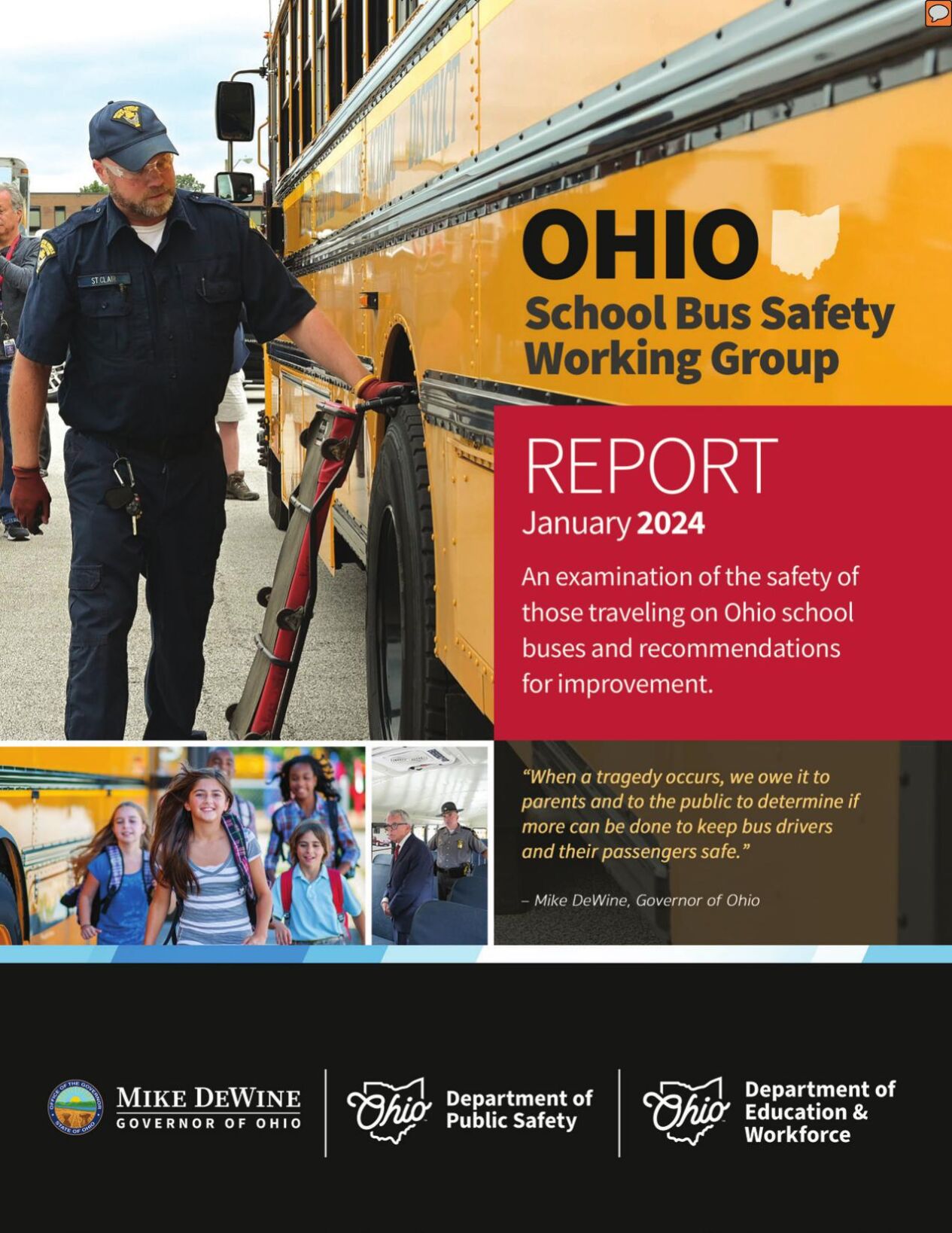
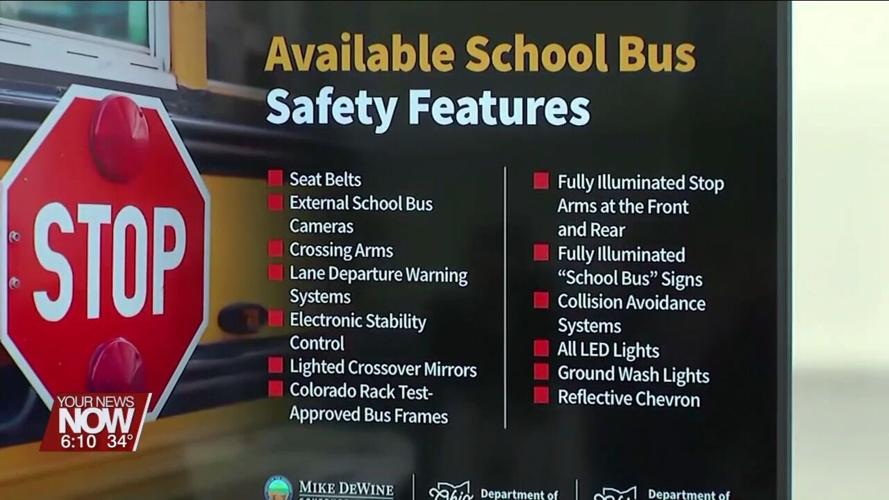
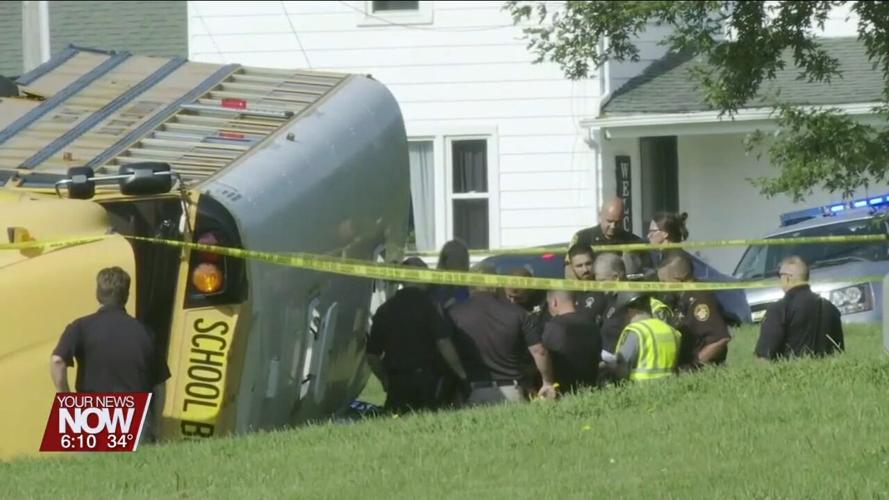
The Ohio School Bus Safety Working Group released their suggestions to improve school bus safety. The group was formed following the August 2023 fatal school bus crash in Clark County. A northwestern local school bus was struck by a truck, killing an 11-year-old student and injuring 20 others. While they don't mandate seat belts, the group suggests the state has money available for school districts to install them and other safety features like illuminated signs, cameras, and LED lights.

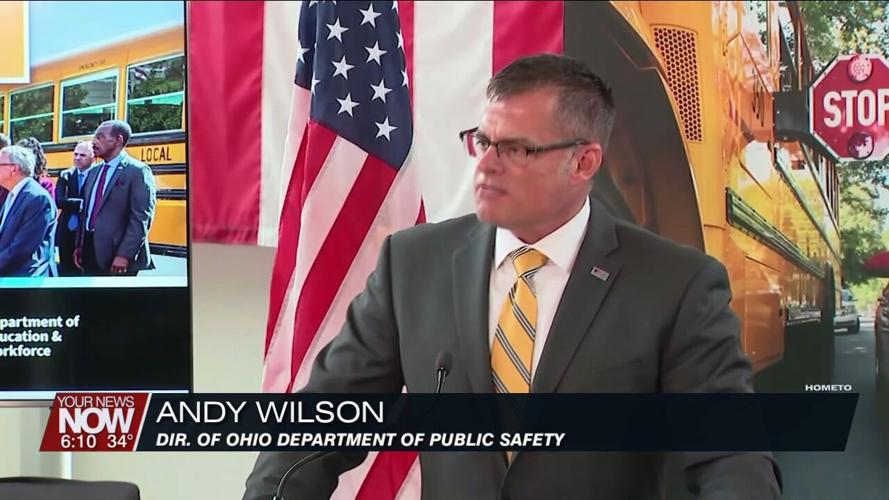
"After hearing from the experts, hearing from our bus drivers, looking at the data or the lack of data from states that have mandated seat belts, and listening to school districts who have tried pilot programs on their buses, we became convinced that a state-wide mandate of seat belts on buses is not the most effective use of government resources to keep our kids safe," says Andy Wilson, Dir. of Ohio Department of Public Safety.

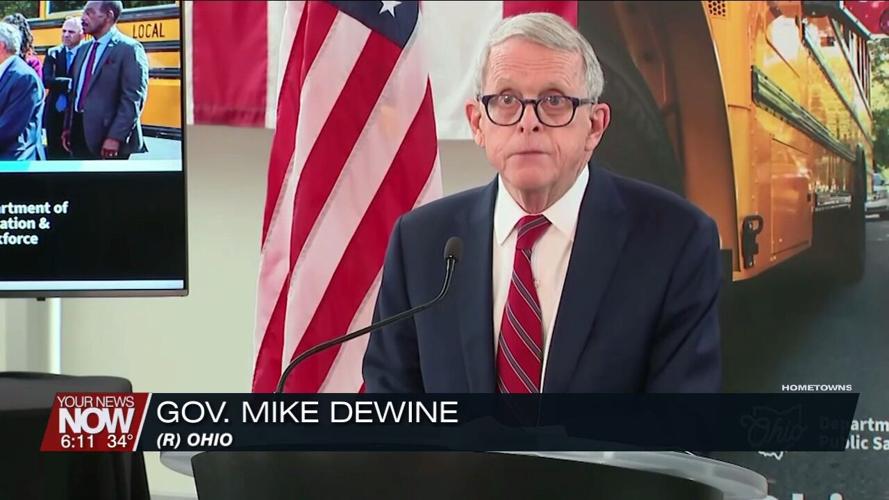
"School buses are the safest method of transportation for school students. There's nothing even close. But as this report shows, there are things that we can do and I will say because we can do them and we know what will make a difference, we need to do them," says Gov. Mike DeWine.

The group found that many bus drivers would also like additional training and recommends the state add resources to the budget for bus drivers to take more safety training.
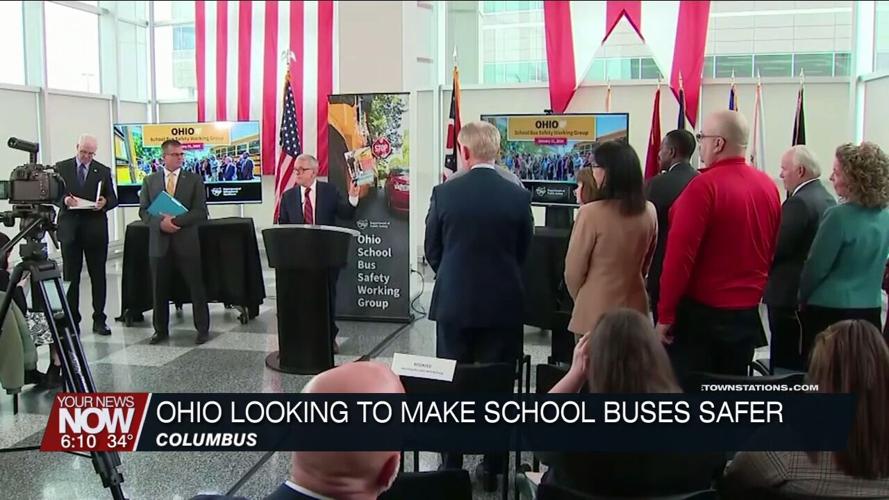
January 31, 2024 Press Release from the Office of Governor Mike DeWine: (COLUMBUS, Ohio)—Ohio Governor Mike DeWine, Ohio Department of Public Safety Director Andy Wilson, and Ohio Department of Education and Workforce Director Stephen D. Dackin today announced details of more than two dozen recommendations issued by the Ohio School Bus Safety Working Group to enhance the safety of school bus travel in Ohio.
Governor DeWine created the working group in August, following the death of a Northwestern Local School District student who was killed in Clark County after another vehicle collided with his school bus.
"When a tragedy like this occurs, we owe it to parents and the public to determine if more can be done to prevent it from happening again," said Governor DeWine. "While studies consistently show that school buses are the safest mode of transportation for students, the working group found that there are things we all can do to make school bus travel safer."
The report lists a total of 17 recommendations related to bus driver recruitment and retention; training and education; school bus safety features; road and traffic safety; emergency response; and commercial bus services.
During its review, members of the working group found that the quality of annual bus driver training varies across the state and recommended that the Ohio Department of Education and Workforce develop a uniform curriculum. The group also recommended that the agency develop a regional advanced bus driver training program and work with the Ohio General Assembly to offer the training to school districts at no cost.
Additional recommendations include improved access to professional development and wellness support for bus drivers; expanded public and parental engagement; school zone and bus route safety audits; and enhanced penalties for drivers of other vehicles who violate traffic laws in school zones or around school buses.
The group did not recommend that the state mandate seat belts for all school buses. Because hazards impacting school bus travel vary across school districts, all group members agreed that schools should have the flexibility to invest in seat belts or any other school bus safety equipment that best meet their unique needs. In addition to seat belts, the report outlined other safety options that districts could choose to consider.
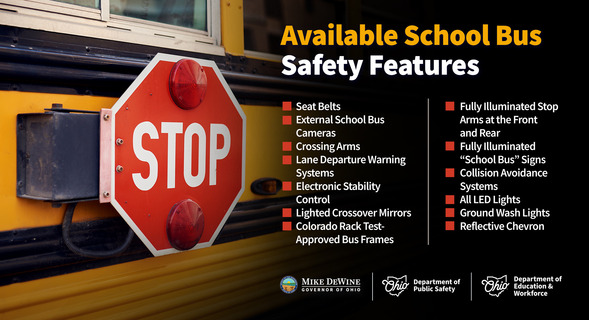
Acknowledging the expenses associated with school bus safety upgrades, the working group recommended that the Ohio Department of Education and Workforce engage the Ohio General Assembly to develop a grant program to offset these costs.
“During the course of the working group’s meetings, we learned about safety features for school buses that can prevent crashes from happening at all,” said Director Wilson, who chaired the working group. “We know these features can be costly for school districts, especially for a fleet of buses, and a state-funded grant program can offset those expenses while allowing schools to decide which of these features meet their specific needs.”
“Ohio’s school bus drivers welcome children to a new day of learning with positivity, care, and a focus on safe transportation,” said Director Dackin. “These recommendations from the School Bus Safety Working Group underscore the importance of school bus drivers in our school communities and reflect the state’s priority to ensure the safety and well-being of each and every one of Ohio’s students while traveling on a school bus.”
In response to the recommendations in the report, Governor DeWine ordered the Ohio Department of Education and Workforce, Ohio Department of Public Safety, and Ohio Department of Transportation to address the state-level recommendations that do not require legislative change. He also announced his intent to begin discussions with the Ohio General Assembly on enhanced penalties for bus-related traffic violations and potential funding mechanisms for school bus safety equipment and advanced bus driver training.