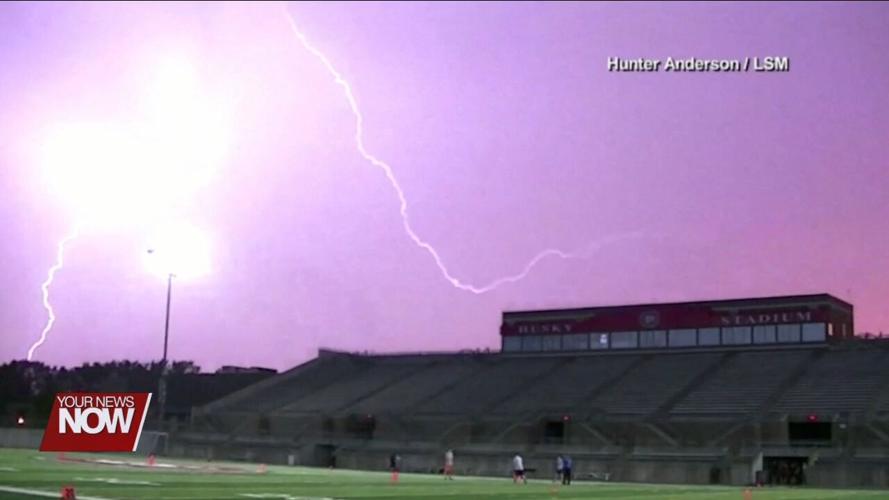


LIMA, OH (WLIO) - While the Fourth of July weekend means lots of time outside, Mother Nature may put on her own fireworks. Meteorologist Nathan Kitchens has tips to stay safe when lightning strikes.

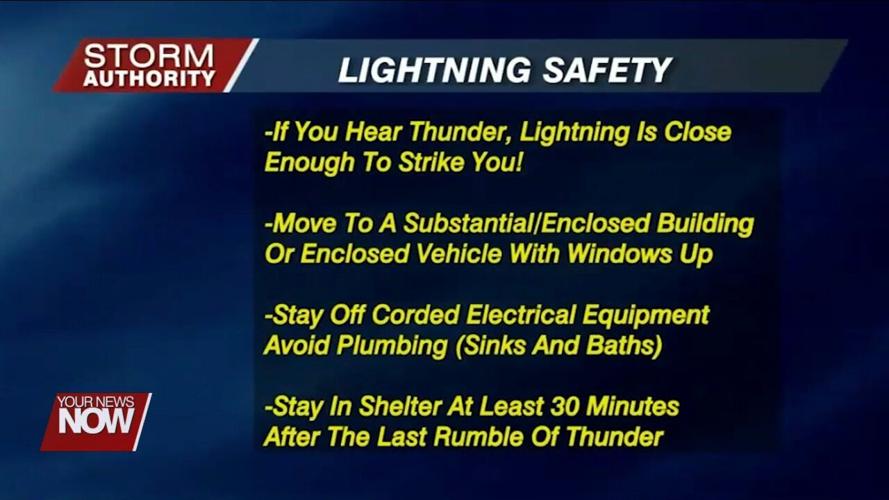
If your summer plans take you out on the lake, camping, or just hanging in the backyard, remember the rhyme, "When thunder roars, head indoors". If you can hear thunder, that means the lightning is less than 10 miles away and your safety is at risk.
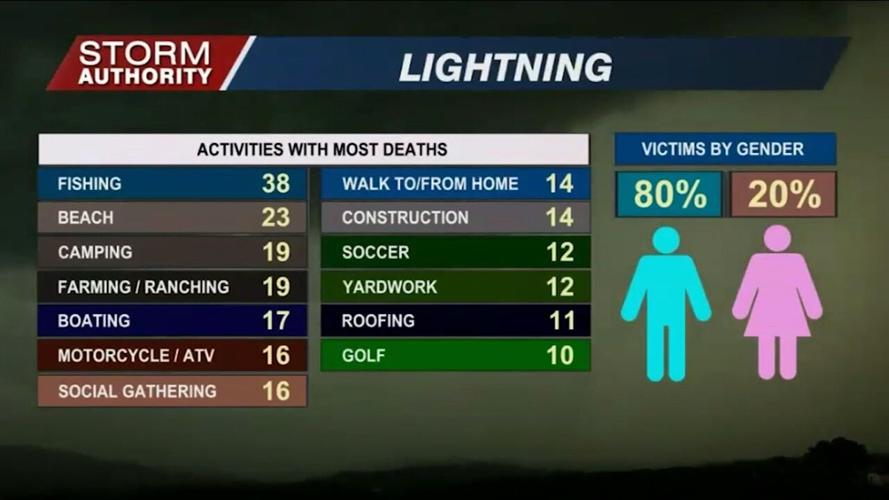
Outdoor activities that claim the most lives include fishing, camping, and boating. Men account for 80% of lightning deaths. It's not because lightning prefers to strike men, but rather they engage in activities that put them at a greater risk. Just as our lives are at risk, lightning poses a great threat to our infrastructure as well.

"When we're talking about lightning and infrastructure, it would be those lightning strikes that could affect our power grid. You have poles that get hit, tree limbs that knock down powerlines, which then causes us issues here. You can also have strikes to buildings directly as well that can cause problems," stated Tom Berger, Allen County EMA Director.

It's important that you have the basic emergency items at hand like a flashlight and batteries just in case the power goes out.
"We always like to tell folks to be prepared for 72 hours. Have your kit ready and available near you. If you can get a generator, make sure that you have that handy, fueled up. When you're operating those generators, make sure you're doing that safely. Make sure they're well-ventilated, outside and away from the residence," stated Berger.
The safest place to go in a thunderstorm is a large enclosed building. It's also recommended to stay away from indoor plumbing. The copper and water inside are high conductors of electricity. Stay away from corded electronics. If lightning strikes a powerline, that energy can wind up traveling through any wires connected to an outlet.
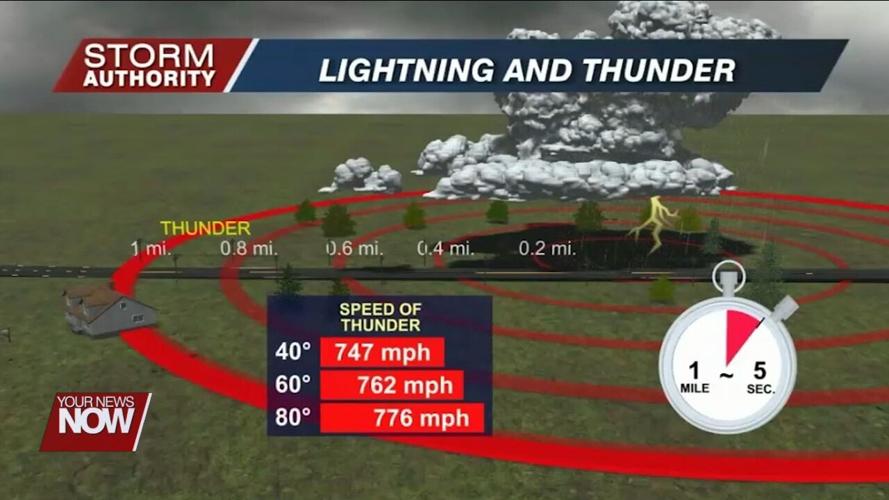
You can count the number of seconds between the lightning and thunder and divide by 5 to determine the distance in miles to a thunderstorm. The National Weather Service says if the time between a lightning flash and the sound of thunder is less than 30 seconds, the storm is close enough to be dangerous.



