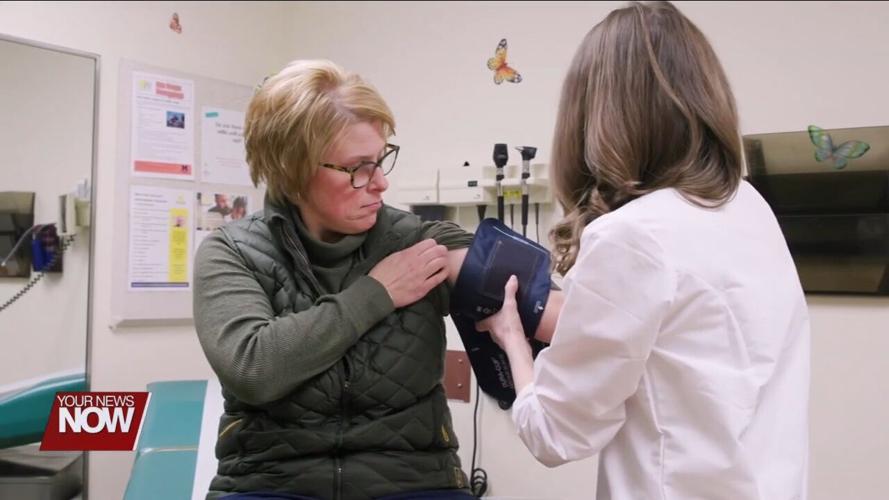
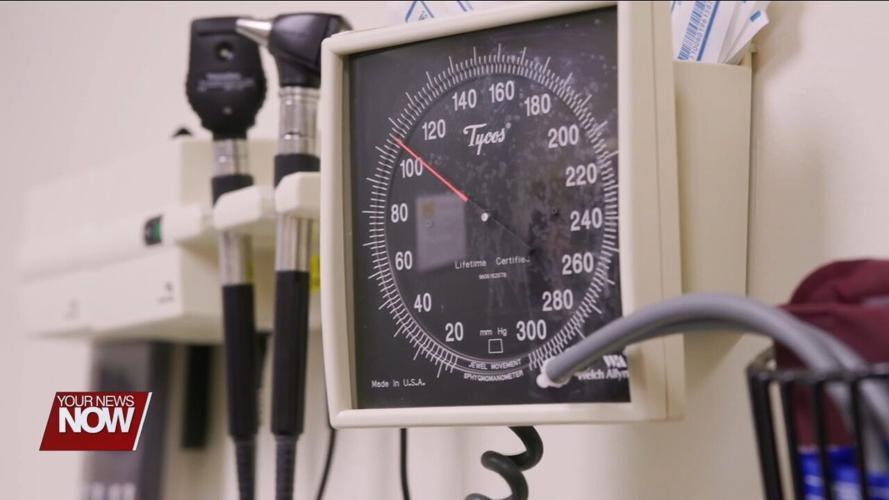
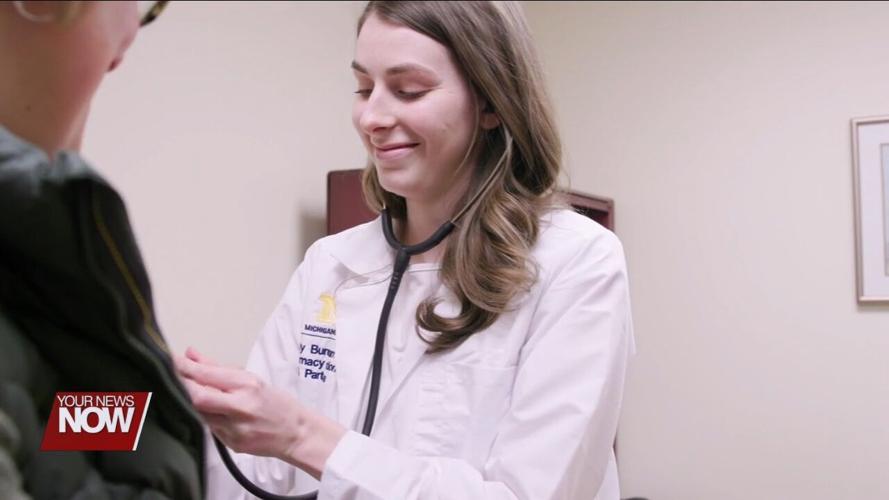

ANN ARBOR, MI (UNIVERSITY OF MICHIGAN) - Researchers say people's blood pressure control has not improved over recent years, and those high numbers could lead to a higher risk of a stroke.

A study led by the University of Michigan Health finds those years of high systolic blood pressure significantly increase an adult's risk of having the two most common types of stroke.
A study led by the University of Michigan Health finds those years of high systolic blood pressure—that's the top number on the blood pressure reading—significantly increase an adult's risk of having the two most common types of stroke.
In fact, for every 10 points higher, the risk of ischemic stroke goes up 20% and the risk of brain hemorrhage increases by 30%. The physician who led the study says it's essential to get ahead of this condition.

For every 10 points higher, the risk of ischemic stroke goes up 20% and the risk of brain hemorrhage increases by 30%.
"Our findings suggest that early diagnosis and sustained treatment of high blood pressure over time are critical to prevent the two most common types of stroke, especially in Black and Hispanic adults, who have higher rates of undiagnosed and uncontrolled high blood pressure than white adults in the United States," stated Dr. Deborah Levine, University of Michigan Health.
Researchers found that black and Hispanic patients had substantially higher risks of stroke. Levine says the United States has not seen significant improvements in blood pressure control in recent years, but notes that it starts with getting people more resources to manage it.

It is recommended to contact your healthcare provider if your blood pressure is one thirty over eighty on two or more occasions.
"Some ways to improve blood pressure control on a large scale are to help patients measure their blood pressure at home by providing home blood pressure monitoring devices, increasing insurance access so that patients can access doctors and the medications they need for their blood pressure, reducing salt in foods, and increasing access to healthy foods," added Dr. Levine.
Dr. Levine says to contact your health care provider if your blood pressure is one thirty over eighty on two or more occasions.



