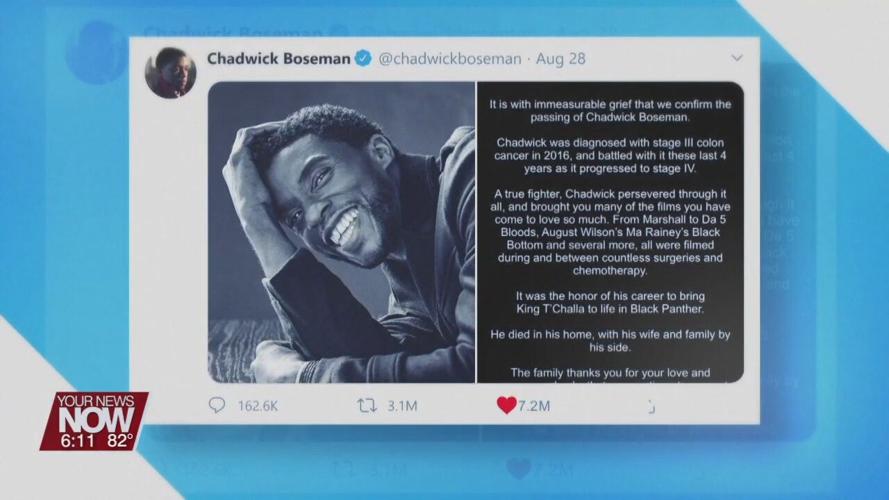

The world is still in shock after Chadwick Boseman's sudden passing.

Boseman was well known for his portrayal as Jackie Robinson and James Brown in the movies "42" and "Get On Up", as well as his performance as King T'Challa in "Black Panther".

His passing was announced last week, where his family stated that he passed away from Colon Cancer.

A conversation has now been started worldwide on the importance of detecting colon cancer at its early stages.
According to the American Cancer Society, African Americans have the highest colorectal cancer incidence and mortality rates of all racial groups in the United States. The organizations says the reasons for this are still not fully understood.
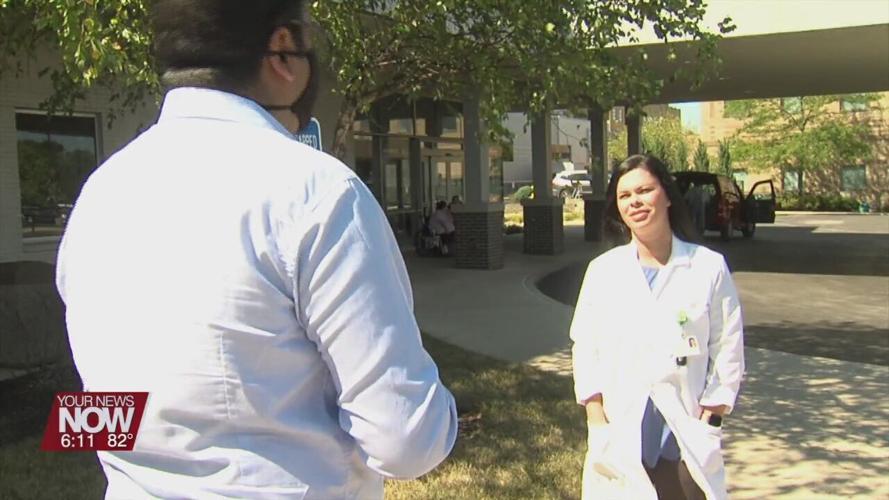
Dr. Shannon Wesley of Lima Memorial Health System is one of four female proctologists in the entire country. She says that early detection is key when it comes to treating colon cancer.
"The earlier we find it, the earlier we can treat it, and the earlier that we can potentially cure it." said Dr. Wesley.
Dr. Wesley also advises everyone knows the signs and symptoms of colorectal cancer, and to consult with your doctor is you are experiencing any of them.
The American Cancer Society lists the following symptoms associated with colorectal cancer:
- A change in bowel habits, such as diarrhea, constipation, or narrowing of the stool, that lasts for more than a few days
- A feeling that you need to have a bowel movement that's not relieved by having one
- Rectal bleeding with bright red blood
- Blood in the stool, which might make the stool look dark brown and black
- cramping or abdominal (belly) pain
- Weakness and fatigue
- Unintended weight loss
"The first thing that I always say is listen to your body. If anything is abnormal, definitely be seen." explains Dr. Wesley. "Number one thing is that rectal bleeding is never normal... even if you know you have hemorrhoids, bleeding from your bottom is never normal."
The American Cancer Society has changed their recommended age for screening for colorectal cancer. The age that the organization recommends those at average risk get checked is now 45-years-old.
It is also recommended that those who are in good health and with a life expectancy of more than 10 years should continue regular colorectal cancer screening through the age of 75.
"Screening is simply 'I feel great, but I am at that age that I need to get things looked at,' " said Dr. Wesley.
Criteria provided by the American Cancer Society shows that people are considered to be at average risk if they do not have:
- A personal history of colorectal cancer or certain types of polyps
- A family history of colorectal cancer
- A confirmed or suspected hereditary colorectal cancer syndrome, such as familial adenomatous polyposis or Lynch syndrome
- A personal history of getting radiation to the abdomen (belly) or pelvic area to treat a prior cancer
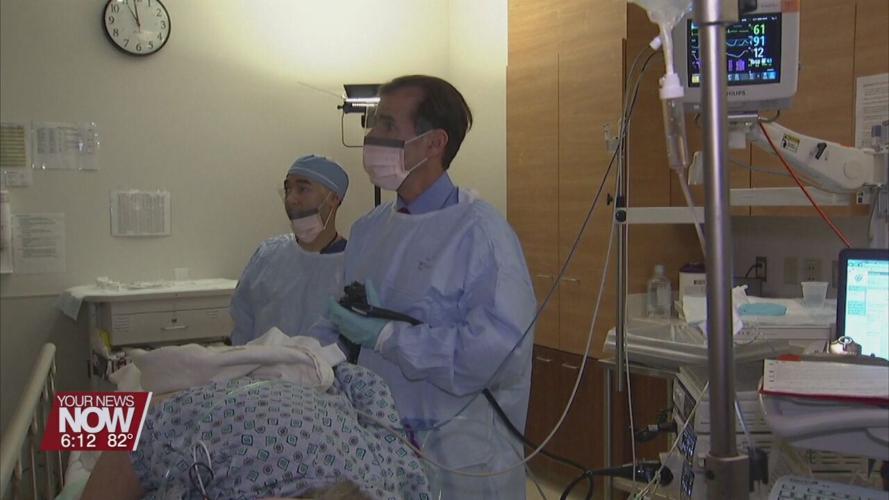
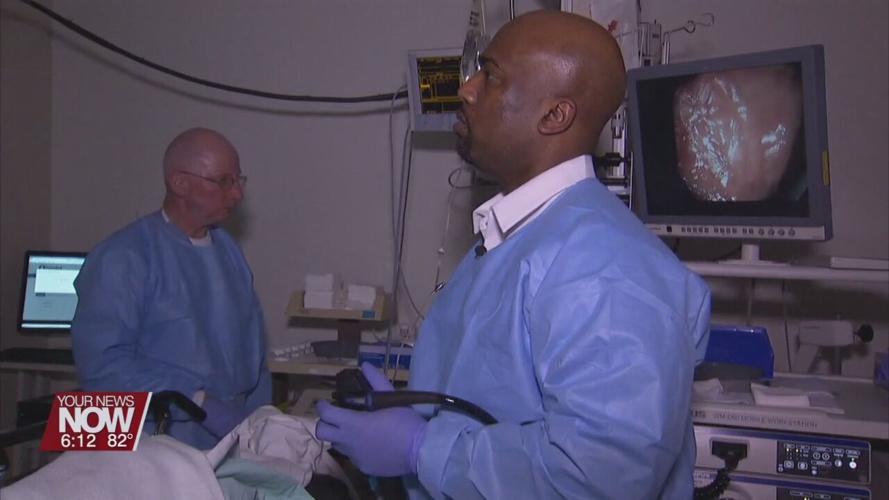
Test options for colorectal cancer screening include stool based tests, as well as visual (structural) exams of the colon and rectum.
As the medical society evolves, so does treatments and medicine. A fact that is helping with specific treatment for cancer patients.
"We are getting fancier with some of our chemotherapy agents," said Dr. Wesley. "Stage IV cancers, people are doing better than they were maybe 10 or 20 years ago.
More information on colorectal cancer can be found by visiting the American Cancer Society's website.



