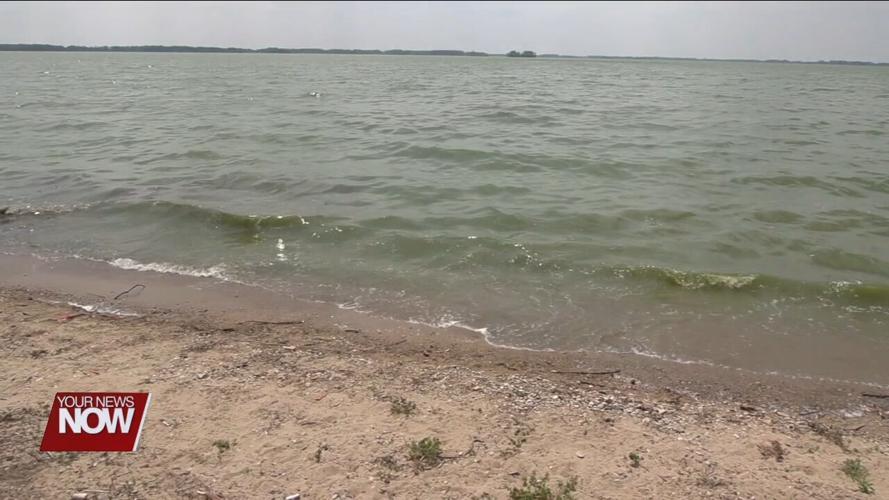



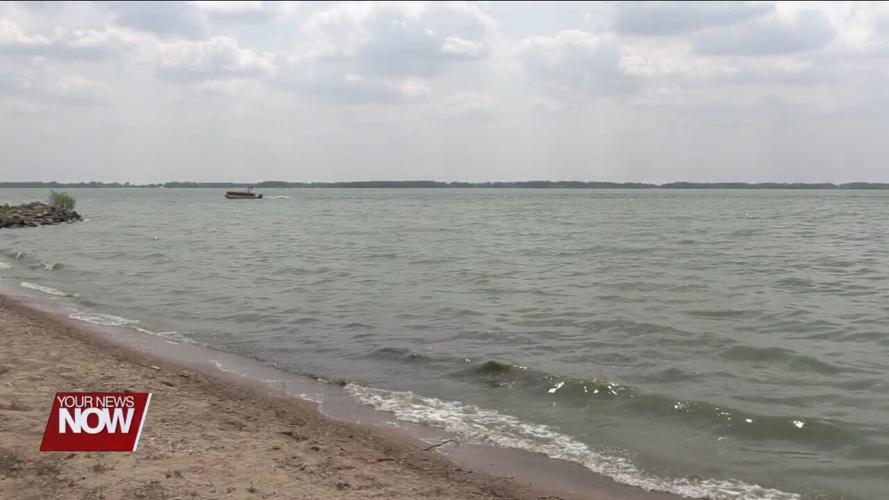



St. MARYS, OH (WLIO) - Just over a week away from the Memorial Day Holiday, and the Ohio Department of Health says there are high toxin levels found at a handful of beaches at Grand Lake St. Marys. Our Madison Kenjura has more.

The Ohio Department of Health's BeachGuard program issued a health advisory on May 15th, warning against contact with the water at Main East, Camp, Main West, and Windy Point Beach.

"Grand Lake St. Marys has had a long history of excess nutrient loading. The nutrients in Grand Lake St. Marys come from external tributaries, that's water that flows into the lake. The nutrients also come from inside the lake, they come from the sediment that the lake sits on top of. When those two different pools of nutrients kind of come together, they can provide excess nutrients that can fuel a harmful algal bloom. Grand Lake St. Marys is dominated by a species of cyanobacteria known as Plantronics," explained Stephen James Jacquemin, Professor of Biology at Wright State University-Lake Campus.
Plantronics can produce harmful algal toxins. In Grand Lake St. Marys, the most prevalent toxin is microcystin toxin, which can cause adverse effects in humans and other animals.

"When an individual comes in contact with toxin it does have to potential to interfere with the neuro system and potentially with the lymphatic system, and these things have been documented. They've been documented in studies," added Jacquemin.
Studies show acute intoxication causes symptoms like stomach pain, headaches, muscle weakness, and liver damage. Prolonged exposure to microcystin is linked to cancer cell growth. Microcystin can also damage the liver of dogs and livestock, leading to death. No human fatalities have been reported.

"The contact advisory is set at about eight micrograms per liter. The value currently is about four times that maybe a little bit more in excess of that, the contact warning," commented Jacquemin.
The water toxin levels of Grand Lake St. Marys are closely monitored by the Celina Water Treatment Plant, Ohio's State Department of Health, and the Department of Natural Resources. Microcystin toxin levels tend to spike during this time of year and early to mid-fall.

"While the no-contact advisory may be very noticeable this week, you know with memorial day and those sorts of holidays coming up. The reality is levels have been in excess of eight for the past three or so weeks. So, that has been in effect for almost a month now," explained Jacquemin.
Residents of the area can help solve this issue by avoiding using products that contain high levels of nitrogen and phosphorus in their lawns and in their fields.



