
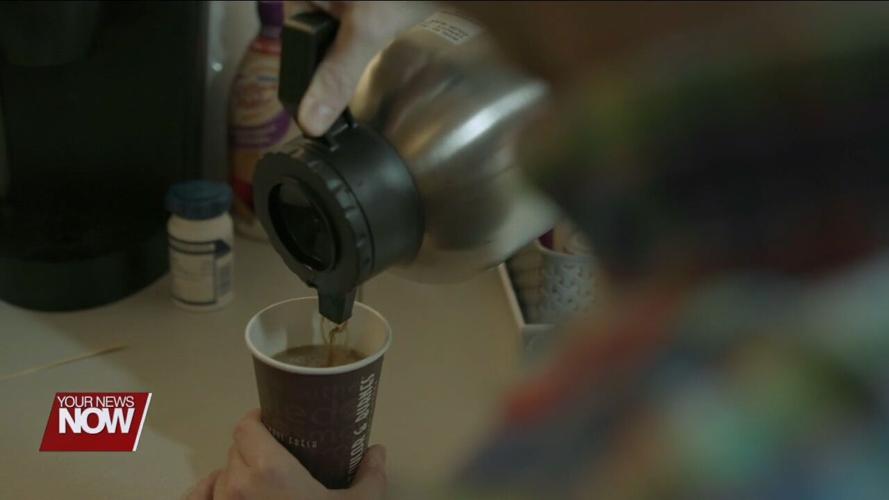




ANN ARBOR, MI (University of Michigan) - Many of us need a cup of coffee to get going in the morning, but what about when it comes to teenagers?

A national poll from the University of Michigan's Children's Hospital finds that one in four parents say their teen consumes caffeine every day, or nearly every day. And more than half of parents say they rarely look at caffeine amounts when buying beverages for their teens.

The pediatrician who co-led the poll says too much caffeine can have negative health consequences for teenagers.
"While caffeine can increase alertness and the ability to focus, it does have some negative side effects," said Dr. Susan Woolford, University of Michigan Health C.S. Motts Children's Hospital. "And children are particularly at risk for these side effects because they are smaller, and so caffeine has a greater impact at lower doses. Some of those negative side effects include increased heart rate, palpitations, and dehydration. It can also affect mood. And so it's important to limit the amount of caffeine children consume."

For adults, the FDA recommends no more than four hundred milligrams of caffeine per day. The American Academy of Pediatrics discourages the use of caffeine by children, and some experts suggest a one-hundred-milligram limit for teens.
Woolford says parents are well-positioned to help teens reduce their caffeine intake.
"Amongst our parents who indicated that their teens drink caffeine, the vast majority shared that they do this at home. And so parents are well situated to help their teens by ensuring that they have non-caffeinated drinks in the home, such as water or flavored water, rather than only having beverages with caffeine," added Dr. Woolford.
The most common source of caffeine intake for teens was soda, followed by tea, coffee, and energy drinks.



