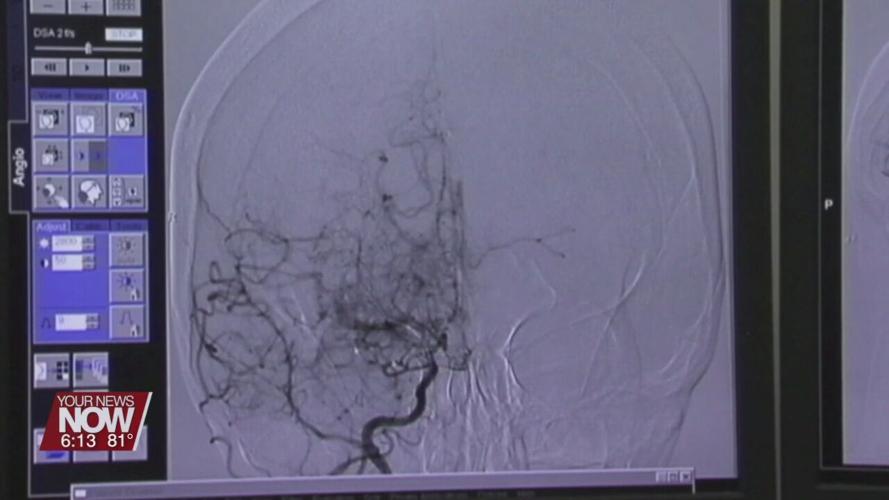
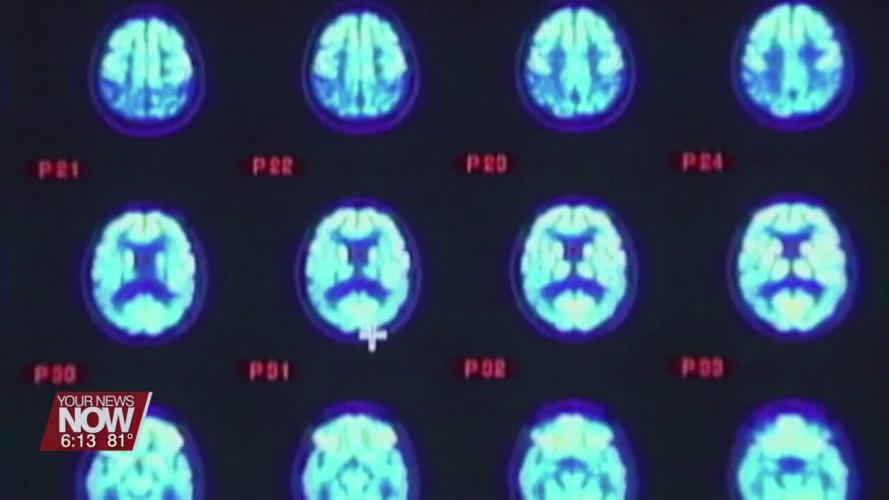
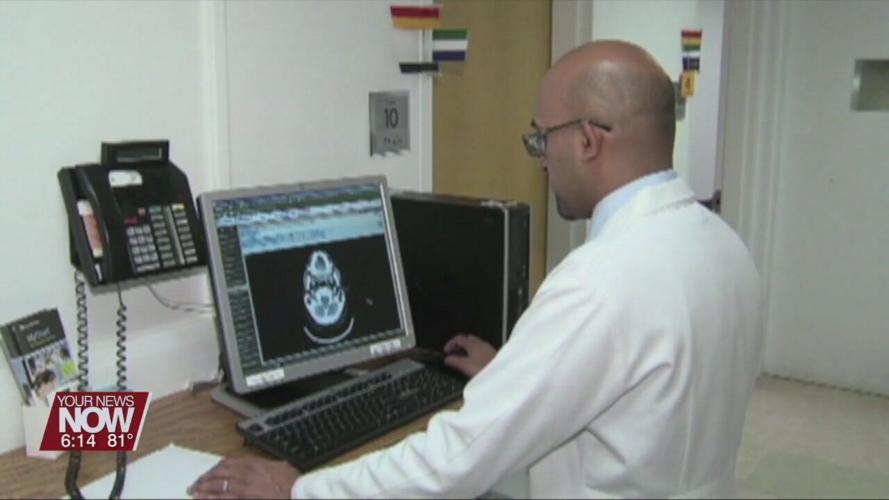


May is Stroke Awareness Month and Lima Memorial Health System’s doctors want to make sure you know the risks and the signs that you could be having one.

A stroke is caused when an artery that brings blood to part of the brain gets blocked, causing that part of the brain to stop working. If the blockages can be removed, then blood can return to the brain and prevent loss of bodily functions. Where the blockage occurs in the brain determines how severe the effects of the stroke can be. Some of the signs of a stroke are numbness or weakness on one side of the body, speech problems, double vision, and/or vertigo. Plus, time is essential when you are dealing with a stroke.

“If somebody thinks that they are having a stroke they should immediately call EMS,” says Dr. Gerald Riess a Neurologist with Lima Memorial Health System. “EMS should take them to the nearest Emergency Room, preferably to an Emergency Room in a hospital that has stroke certification.”
Doctor Riess says that modern medicine has come a long way to help stroke patients make a full recovery.
“If somebody gets to the hospital between 3 and 4 ½ hours of having a stroke we can give TPA, Tissue Plasminogen Activator, which is a clot-buster and can dissolve that clot so the blood flows back to that part of the brain and people do better,” adds Riess. “If there is a large artery that is blocked. We can even have an endovascular procedure. Where a procedure or a catheter is fed through the arteries and the clot can be removed and people do better after that.”
He adds that people who have diabetes or hypertension are more at risk of having a stroke.



