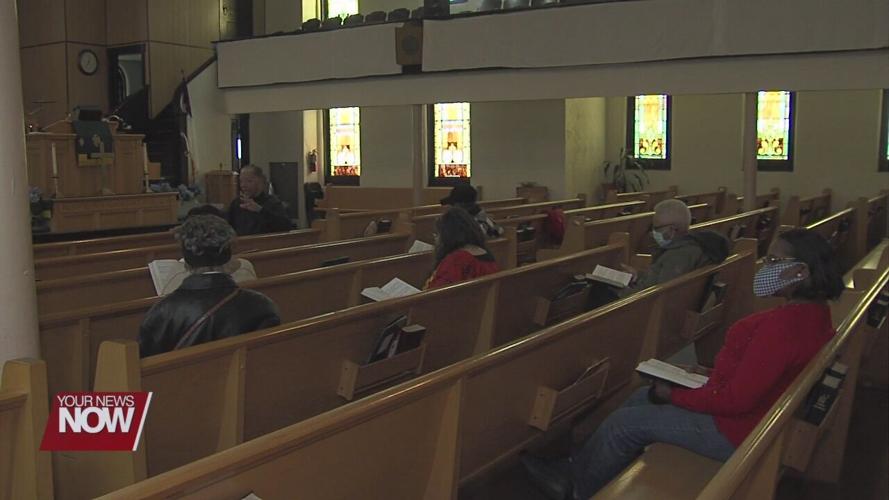
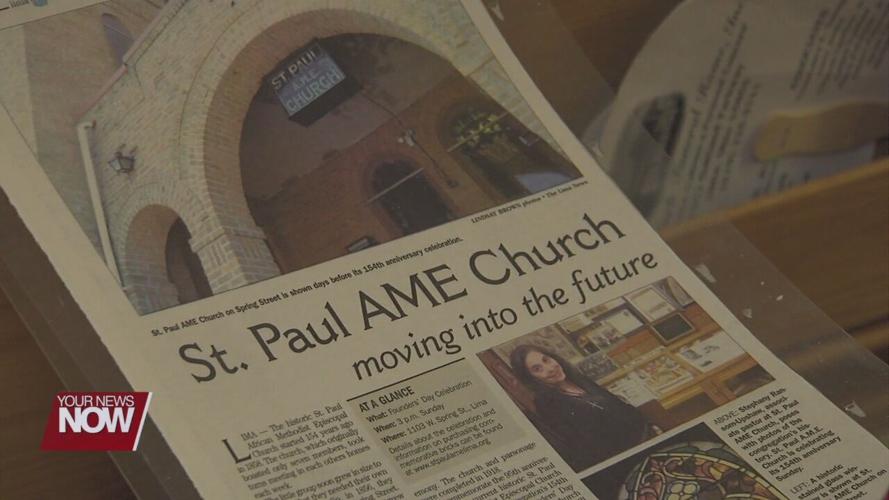
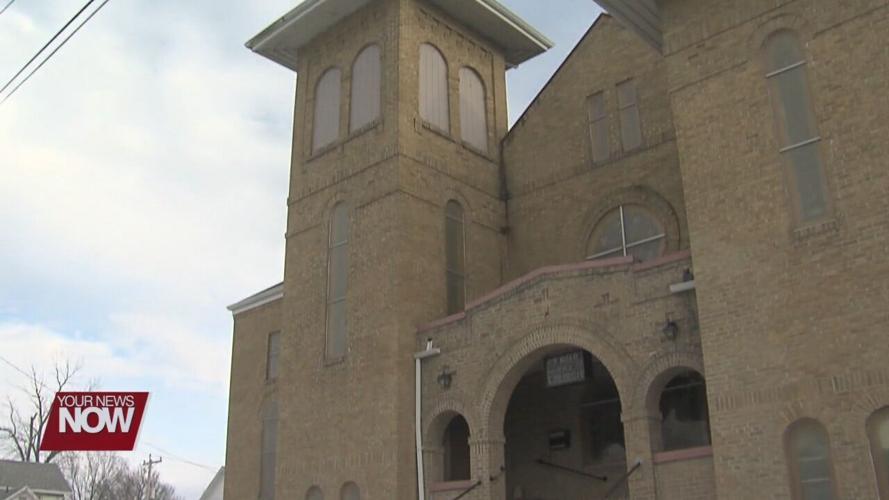
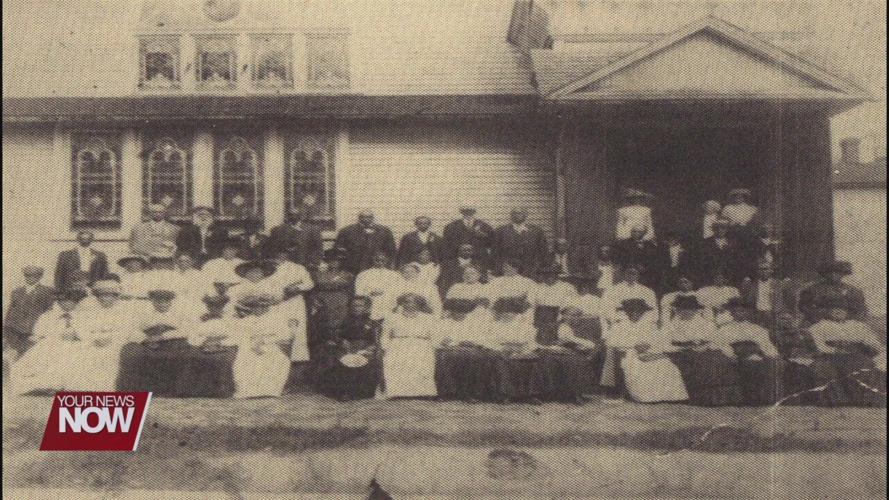

As black history month ends, Your Hometown Stations puts a spotlight on the historic St. Paul African Methodist Episcopal Church.

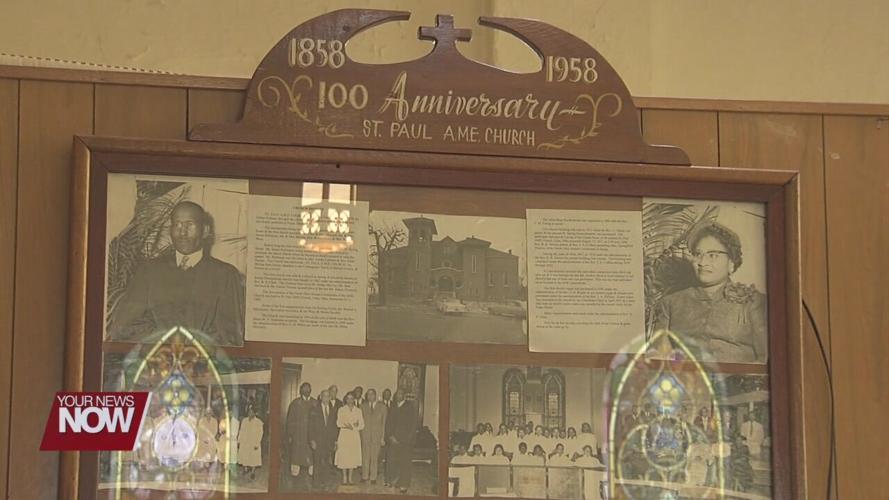
St. Paul African Methodist Episcopal Church started in 1858. It has gone through the civil war, both world wars, and a global pandemic. This historic building on Spring Street in Lima has seen it all. Church members have made sure to its history.
Charles Brown has been with the church since the early 1970s. Lifelong member, Stephanie Ransom Upshaw and her family have been involved with St. Paul for seven generations. Thinking about the past has allowed Ransom Upshaw to understand how change was created for black people in the church back then to evolve into what it is now.

"Just who we are as a race, we liken that to Moses leading the children of Israel our of bondage to Egypt to the land flowing of milk and honey," states Ransom Upshaw.
While the history of the church reveals that St. Paul gave African Americans a place to worship, the church has progressed with time. They welcome more than just African Americans into the congregation.
"It is not an exclusive denomination that's its not open to anybody else. It's open to everybody, and that's what I preach, a gospel of inclusiveness," says Rev. John E. Kidd, pastor of St. Paul AME.
With many years of history behind St. Paul, they hope to continue the legacy.

“It’s been trying times basically, but we’re still surviving. That’s the key,” says Brown.
Church members have plans to keep the history alive.

“Pass it on verbally, written ways. We’ve done a pretty good job as a church looking back at the history,” states Brown.
“To maintain it so future generations, my children’s children can come here and worship as a church family together,” says Ransom Upshaw.
They’ll do it together as one church continuing to withstand time, with many more years to come.



