

COLUMBUS, OH (OSU) - Atrial fibrillation is the most common heart rhythm problem, affecting millions of Americans and greatly increasing their risk of stroke. A heart ablation is sometimes needed to effectively treat atrial fibrillation, but the procedure can carry some serious risks. Barb Consiglio has details on a new device that makes the procedure safer without compromising benefits to the heart.

Until she landed in the ER, Amanda Mitchem had no idea her shortness of breath was actually atrial fibrillation.
"I could be just sitting, and I just felt like I ran a 10-mile run," commented Amanda Mitchem, an atrial fibrillation patient.

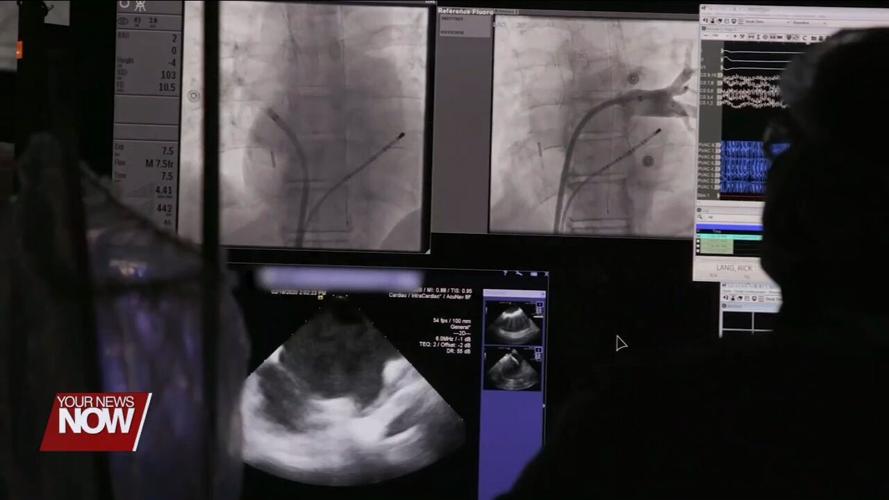
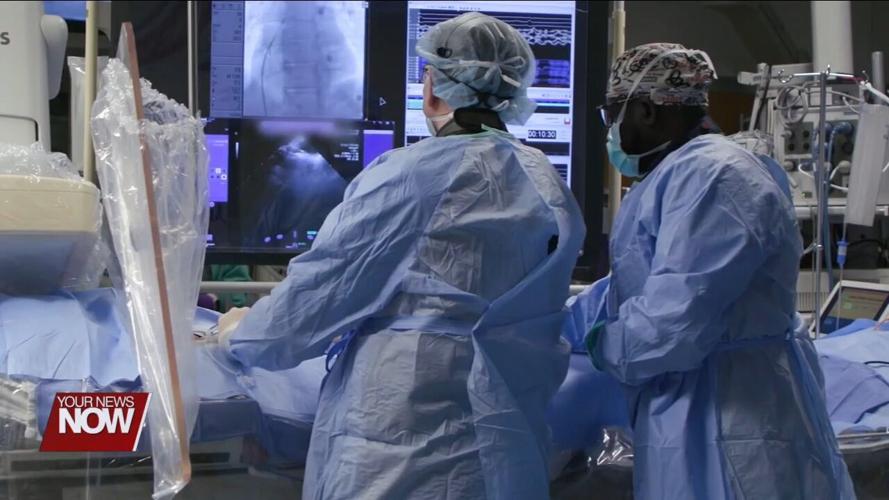
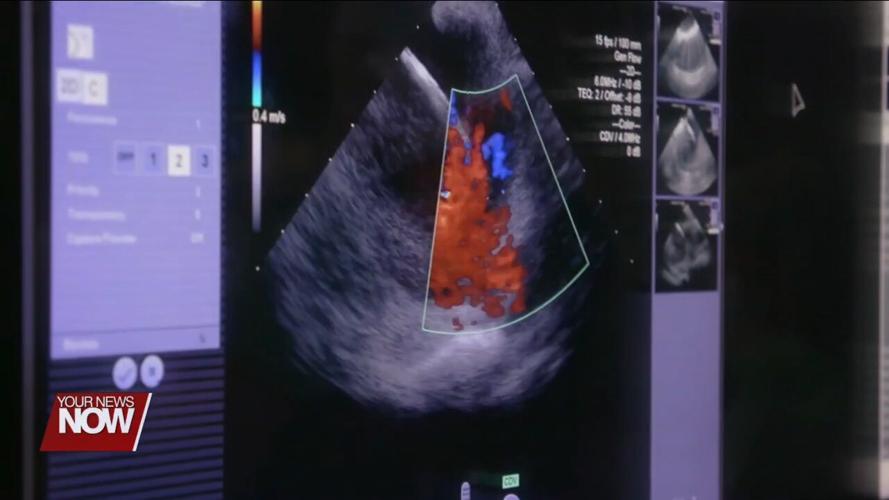
When medication failed to correct Amanda's AFib, her best option became a heart ablation, a surgical procedure that uses high energy to create a lesion in the precise location that is throwing off the heart's rhythm. While it's an effective treatment, it can also cause damage to the esophagus, which lies just five millimeters away.
"That thermal effect can result in an injury to both organs, where you get this communication, which becomes a very serious life-threatening problem," explained Emile, Daoud, MD at the Ohio State Wexner Medical Center.

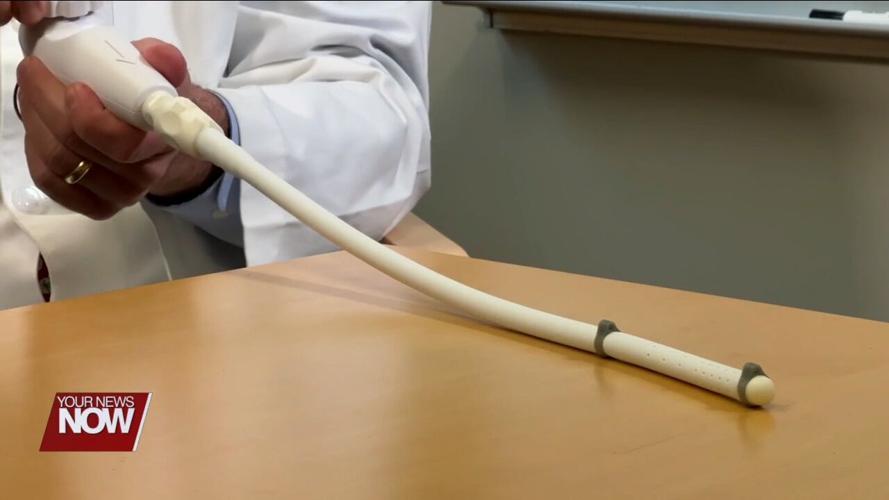
Dr. Emile Daoud at the Ohio State University Wexner Medical Center helped create a way to move the esophagus an entire inch away from the heart during treatment. The device is inserted down the patient's throat, gently shifting the esophagus left and right — moving it out of harm's way.
"By pulling in or using suction force and then moving the entire segment over to the side, you then create a safe pathway where the physician can deliver the energy to treat the atrial fibrillation," said Dr. Daoud.
A clinical trial led by Ohio State found over a third of patients had esophageal injuries after an ablation. But with the new device, less than five percent had any injury. For Amanda, that meant peace of mind going into her AFib treatment, without worry of dangerous side effects down the road.
"I mean it was like night and day. Uh, my breathing, I mean the breathing was so much better and just the overall, the way I felt," said Mitchem.



