


LIMA, OH (WLIO) - Despite articles circulating online, Ohio will not see the Northern Lights this week. However, Meteorologist Nathan Kitchens tells us why we have a better chance to catch a glimpse over the next few years.

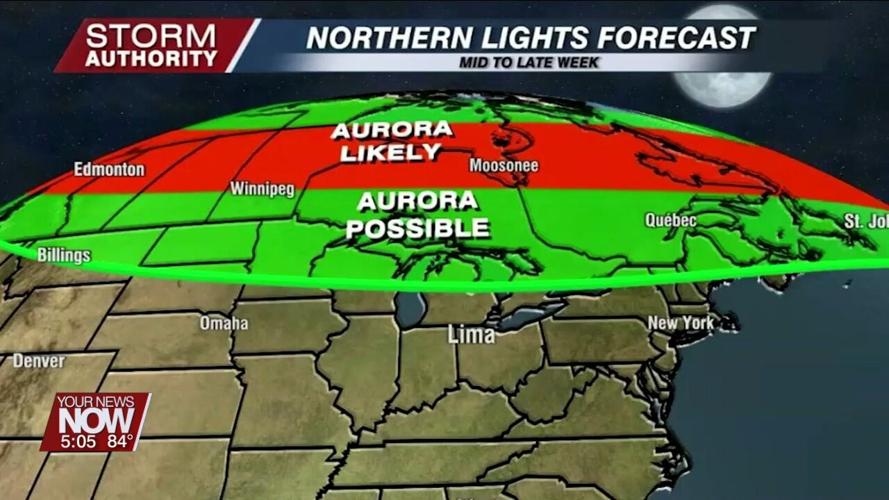
A quick Google search would lead one to think the Northern Lights will be visible in Ohio this week, but experts say not so fast! Those articles went viral on social media and were based on an old forecast. The solar storm is now predicted to be much weaker than initially thought. The updated aurora forecast indicates the geomagnetic storm responsible for the auroras will peak at a K index of 4. This means the Northern Lights will generally only be visible north of the lower 48, although areas near the Canadian border still have a chance. There is no chance that they reach anywhere near Ohio.

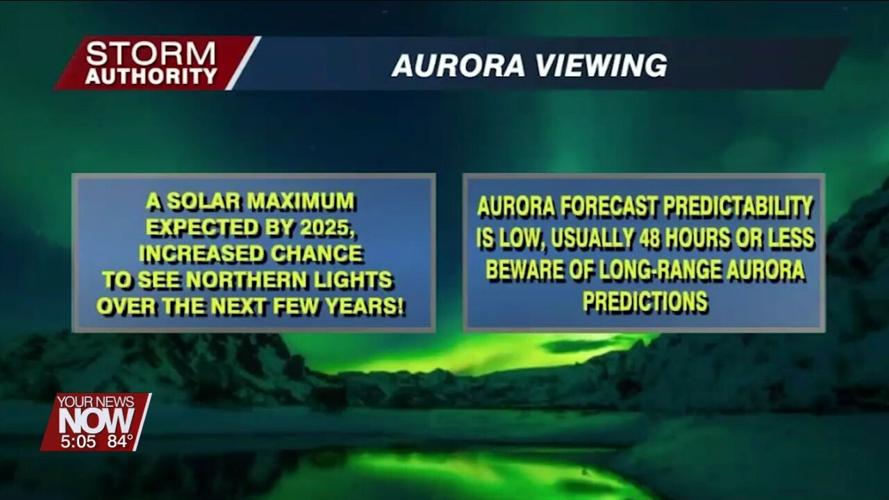
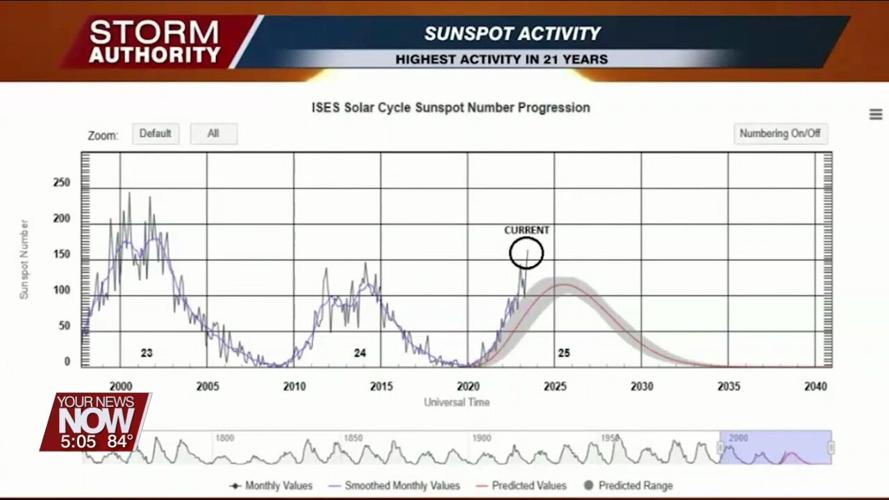
While the current forecast may have been hyped up, NOAA's space weather prediction center says we have a greater chance to see the auroras in more areas over the next few years. The sun is currently in an active phase, with the highest number of sunspots since 2002. This high sunspot activity means more solar flare energy is getting released into space, which leads to more aurora activity.

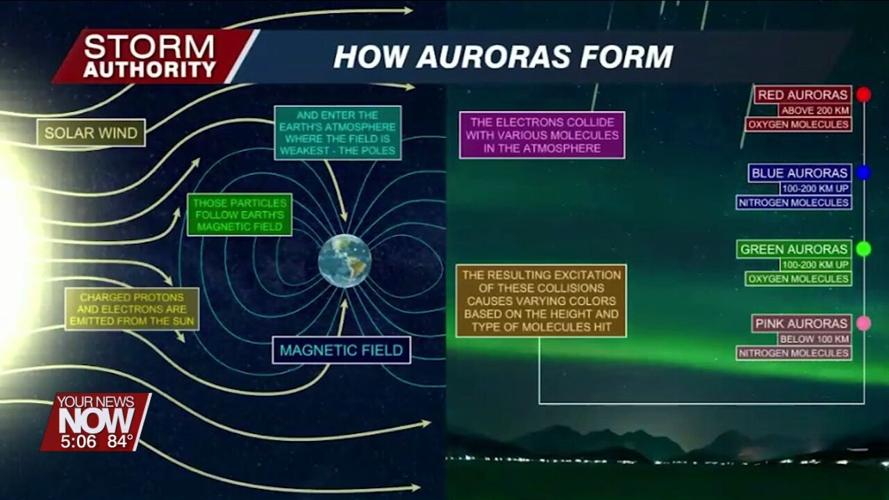
How does that solar flare energy lead to those dazzling displays of light in the night sky? Solar flare explosions release a large number of charged particles, zooming toward Earth at nearly the speed of light. Earth's magnetic field manages to deflect these particles toward the polar regions, where the magnetic field is weaker. That is why the auroras are generally only visible closer to Earth's poles. Those electrons will collide with molecules of mostly nitrogen and oxygen in the atmosphere. That collision is what creates those wild colors dancing in the night sky.

While you'll have to take a trip up north to see the auroras right now, we'll keep you posted when those chances reach a little farther south.



