
With temperatures dropping outside, we're looking at an increased risk for fires inside your home. Our Adrianna Michaels talked with experts on how to keep your family safe this winter season.
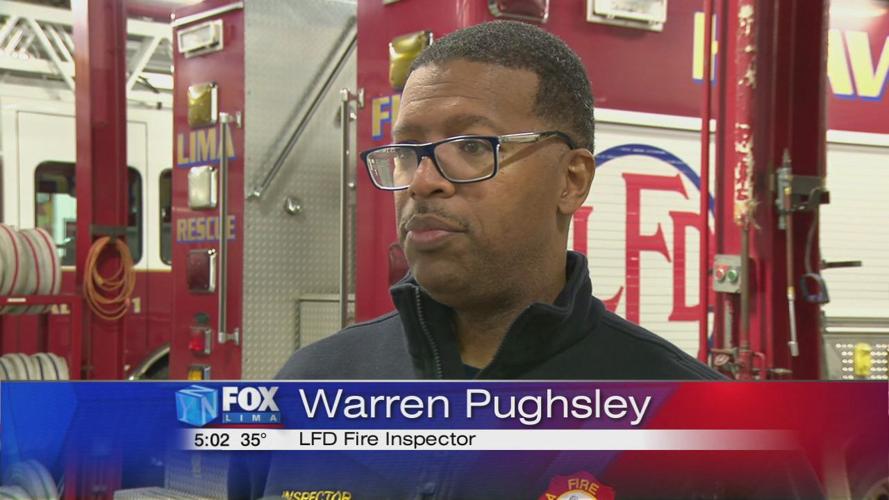
Fire Safety Inspector Warren Pughsley with the Lima Fire Department says they always see an increase in calls relating to fires and the carbon monoxide detectors as soon as the colder air arrives.

"People start using the furnace or anything that's going to burn gas and produce carbon monoxide, that's when we get a high volume of calls," Pughsley shared with us.
Keeping your home warm in the winter is expensive but also can produce some added troubles. Space heaters, furnaces, and stoves are the leading causes of fires during the winter months. Never leave anything that produces heat unattended and be sure that your smoke detectors are in working condition. Pughsley offers up some advice on how to keep you and your home safe for the cold winter months.

"The first thing people need to make sure is that the space heater is UL Listed, so in other words, there's called a tip-over protection," said Pughsley.
Dogs, cats and children can knock over a space heater and be completely unaware of the dangers of this problem. If the space heater doesn't have this tip-over protection switch, it may result in sparks being emitted and ultimately lead to a fire. Space heaters should have this protection listed on the front of the packaging when purchasing it.
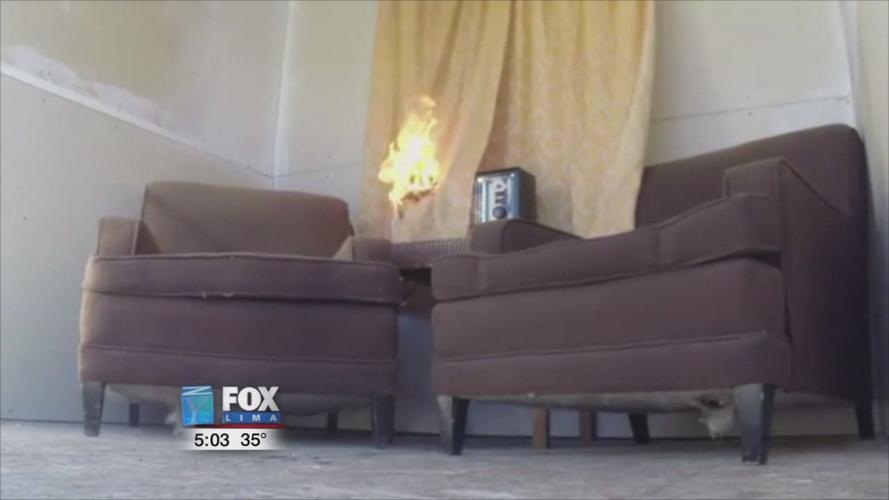
"The other thing is just making sure it's far enough away from anything that will burn or anything combustible," said Pughsley.
It's recommended to keep your space heaters three feet away from anything in your home. This way there's enough distance between it and flammable objects, such as blankets, curtains, or clothes, which are the most common things that catch fire from space heaters.

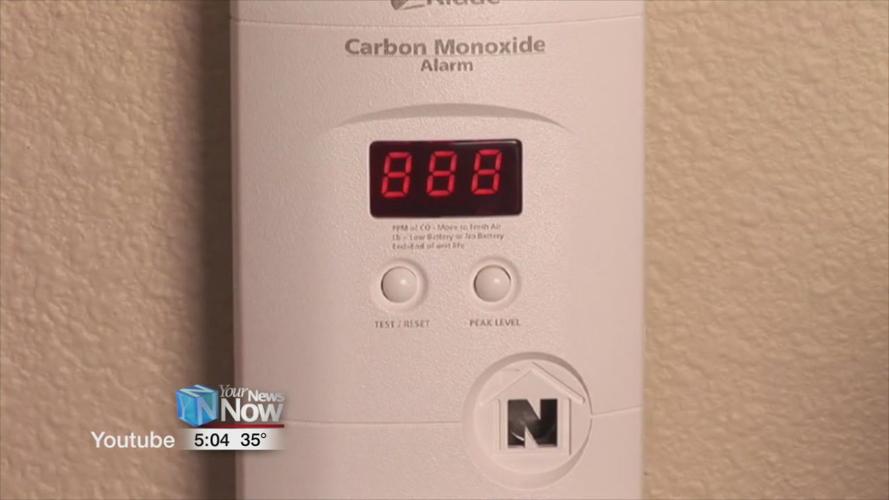
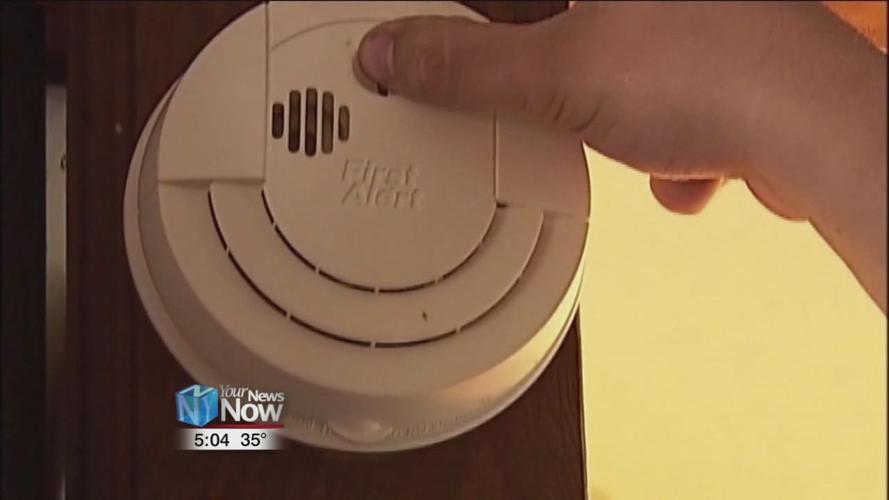
It's important to have working smoke and carbon monoxide detectors in your home year-round. Every home should have at least one carbon monoxide detector and a smoke detector in every bedroom, outside of those bedrooms and on every level of your home.
Since carbon monoxide can't be seen, some people downplay the severity of this gas. Symptoms of the invisible gas are similar to the flu, which is also common in the winter months. If you ultimately leave your home and feel better, you may have carbon monoxide in your home. Contact your local fire department to have them test for this poisonous gas in your home.



