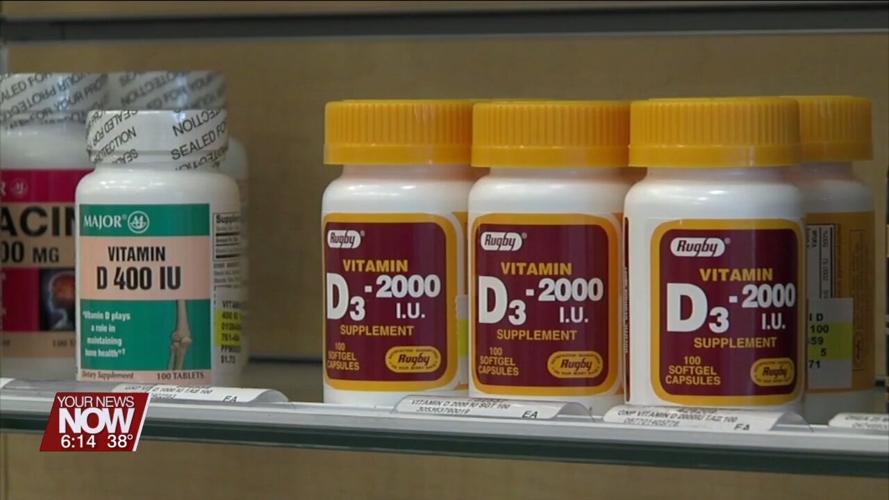

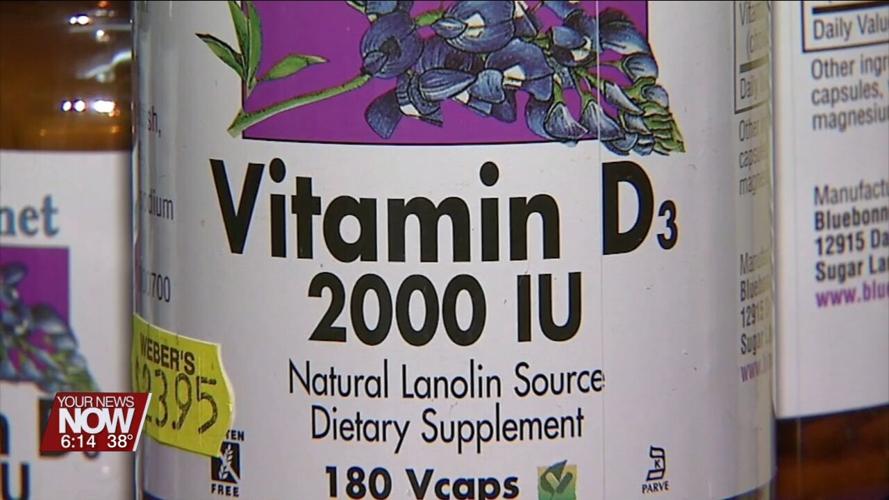


(CLEVELAND CLINIC) - Sunny days are in short supply with winter here, and that means many people aren't getting enough vitamin D. So how can this impact our health?

Dieticians say that many people have a vitamin D deficiency, and a simple blood test can tell you for sure. However, some warning signs of a deficiency can include fatigue, bone pain, muscle weakness, and mood changes. When it comes to getting enough of the so-called "sunshine vitamin" this winter, certain foods can help. Fatty fish like salmon, tuna, mackerel, and sardines are all good options, as well as mushrooms, egg yolks, and milk fortified with vitamin D. They also encourage people to talk to their doctor to see if a vitamin D supplement is necessary. If it is, when you take that supplement can make a difference.

"I always recommend eating it with your heaviest meal because it is a fat-soluble vitamin. It'll actually increase your absorption better with some sort of fat, and so typically people take it in the morning because it's kind of – we usually end up taking our vitamins in the morning. But a lot of times, our breakfasts aren't very heavy – they're pretty light. So I always recommend doing it at your evening meal if that's your biggest meal, and you'll actually end up seeing the numbers increase a little bit faster," stated Beth Czerwony, R.D. at the Cleveland Clinic.
She adds your doctor may check your vitamin D levels regularly if you have certain risk factors for a deficiency.



