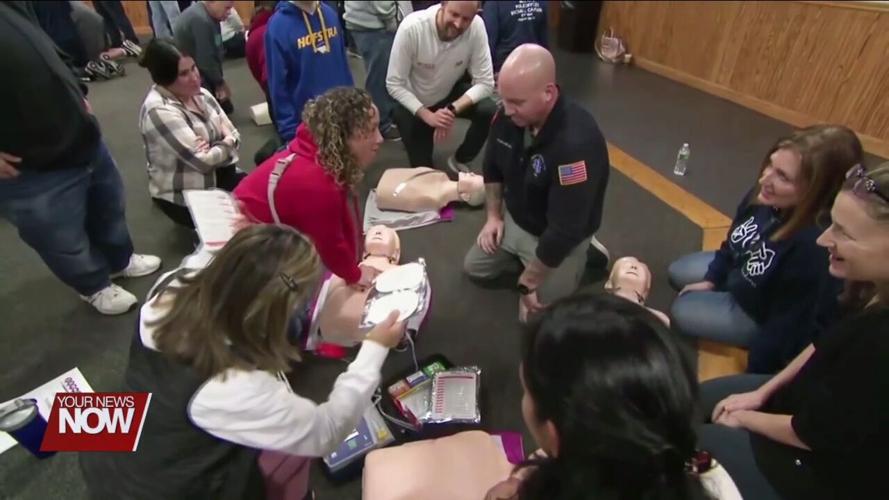
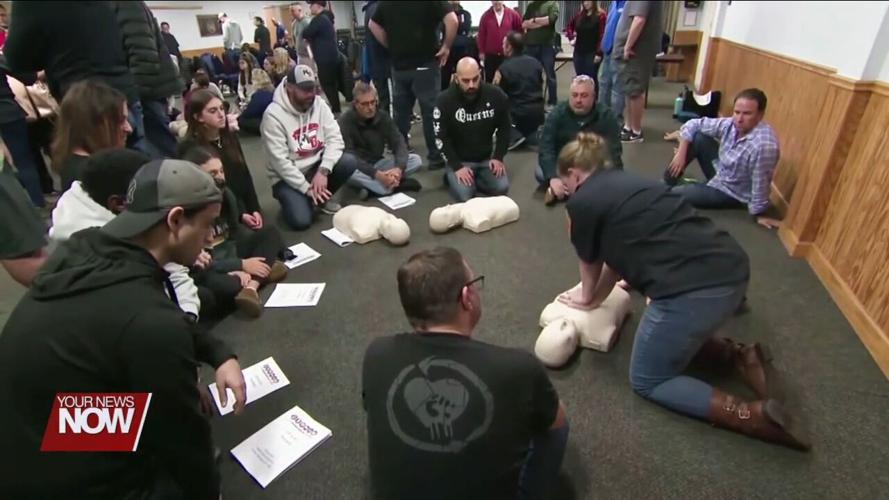


LIMA, OH (WLIO) - It's National CPR and AED Awareness Month, and doctors say that learning the basics could mean the difference between life and death. Our Ellie Janzen has the story.

If you come across a person who is not breathing or does not have a pulse, would you know what to do?
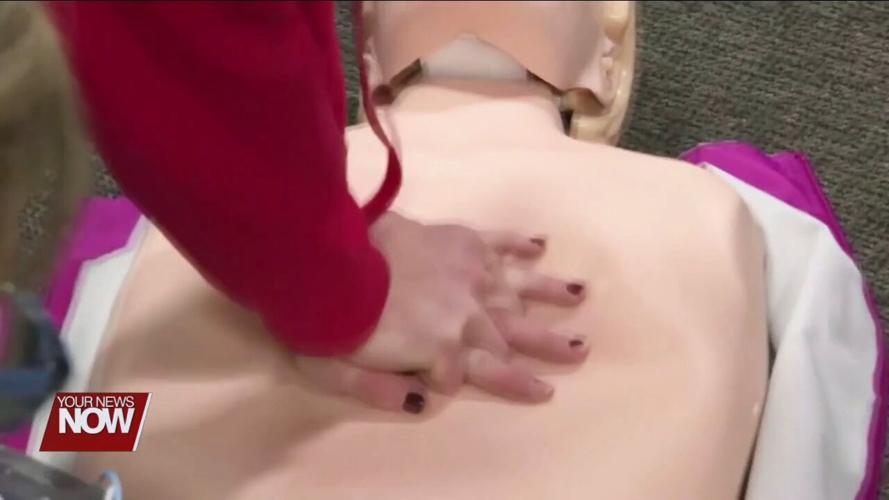
The American Red Cross says immediate CPR can double or triple the chances of survival after a cardiac arrest. Before you start, call 9-1-1 to get EMS, then start with chest compression, 100 to 120 times a minute. The best way to remember that is with the rhythm of the song "Staying Alive." Mouth-to-mouth is not recommended anymore, but the sooner you act, the better.

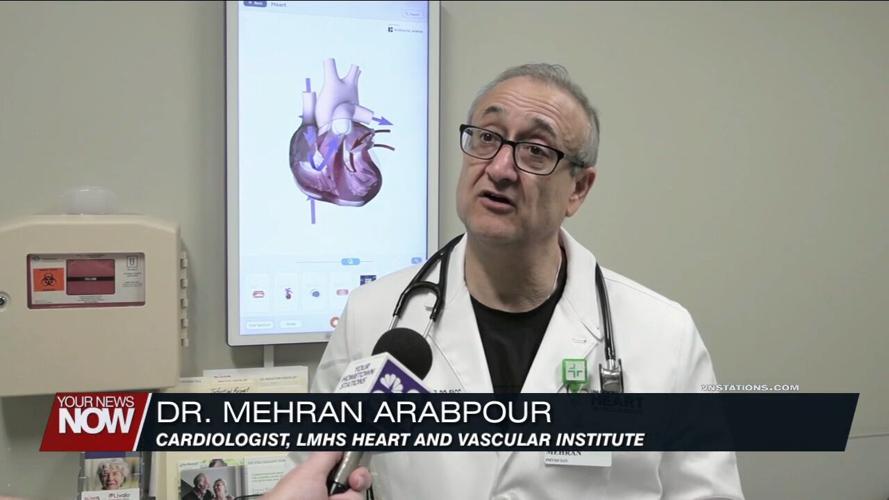
"The time it takes from the time the heart stops pumping to the point that you reestablish the normal pumping function of the heart determines whether the damage that takes place is excessive beyond repair. And that can be achieved by effective CPR until the AED is available and the patient can be shocked back until normal rhythm," says Dr. Mehran Arabpour, a cardiologist at Lima Memorial Health System Heart and Vascular Institute.

Automated external defibrillators can be found in a lot of public places, but they may not be right next to the person who might need one, so that's why it is important to know how to do hands-only CPR until an AED can be used.

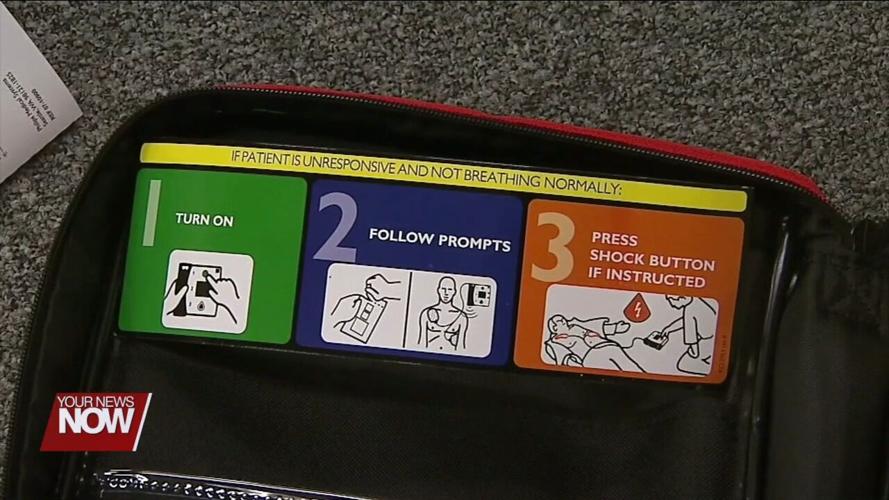
"AEDs these days are extremely foolproof. They basically have two pads. One goes on one side of the body, one goes on the other. The picture will simply explain it; even a 5-year-old would see the pictures and know where to apply it. The machine would talk to you and would tell you simply, if anything, hands off, stay clear, and they would shock the patient," says Dr. Arabpour.
To make sure you are prepared for an emergency, you might consider taking a CPR class, but even just an online tutorial could make the difference in saving a life.



