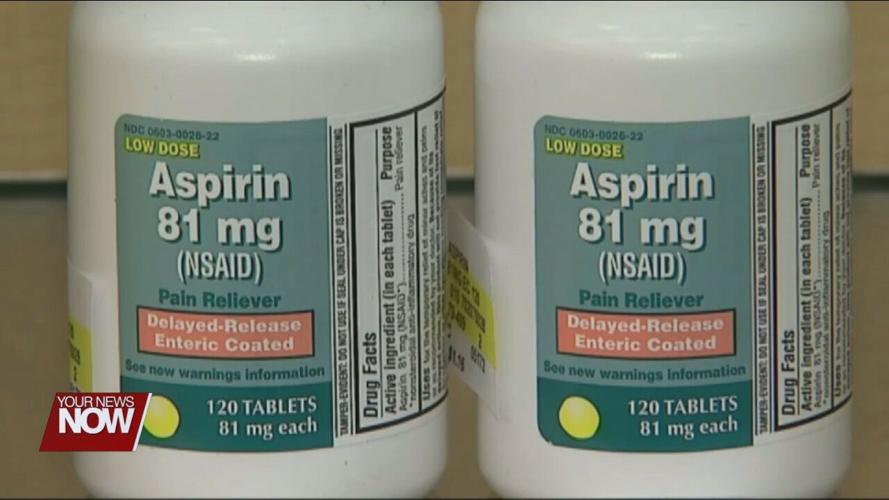


ANN ARBOR, MI (UNIVERSITY OF MICHIGAN) - Taking a low-dose aspirin for heart health has been a staple of many Americans' daily routines. But medical experts say for some people, that routine may be doing more harm than good. Here is Ellie Janszen to tell us why.

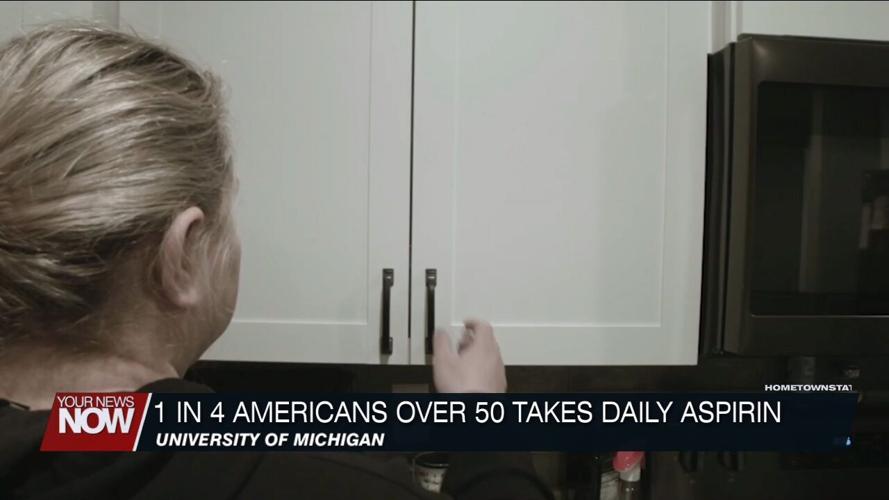
Millions of Americans take daily aspirin, but many of them may be doing so based on outdated advice. A new national poll from the University of Michigan finds that one in four adults over 50 are taking over-the-counter medication; that number was even higher for adults 75 years of age or older.
But a cardiologist at the Frankel Cardiovascular Center says some of these people may get little benefit, or even increased risk, from the common drug.

“The most important thing that people need to know about taking aspirin is that while it can be helpful to prevent a heart attack or stroke, that benefit is not seen in all patients. So, it's really important that you talk to your doctor to figure out if aspirin is actually helpful for you. Or if maybe you're the kind of person who shouldn't be taking aspirin on a regular basis,” says Dr. Geoffrey Barnes, Cardiologist and Vascular Medicine Specialist at the University of Michigan Health.
As knowledge about aspirin’s positive and negative effects has grown, guidance has changed in recent years. Now, the focus is on aspirin for people with a history of heart attack or stroke, especially those in their 50s and 60s.

“For older adults, 70 and older, we know that aspirin could still help to prevent heart attack and stroke, but it's the risk of bleeding that becomes even greater. So, for those people who've never had a heart attack or stroke risk, now the bleeding risk has gotten higher, and we don't usually recommend they start an aspirin,” adds Dr. Barnes.
As the new data from the University of Michigan’s national poll on healthy aging suggests, it can get confusing. This is why Barnes says not to make decisions about starting or stopping aspirin use by yourself. Talk to your doctor.



