This week is Winter Weather Preparedness Week in Ohio and officials are stressing the importance of being ready for all types of winter weather events.

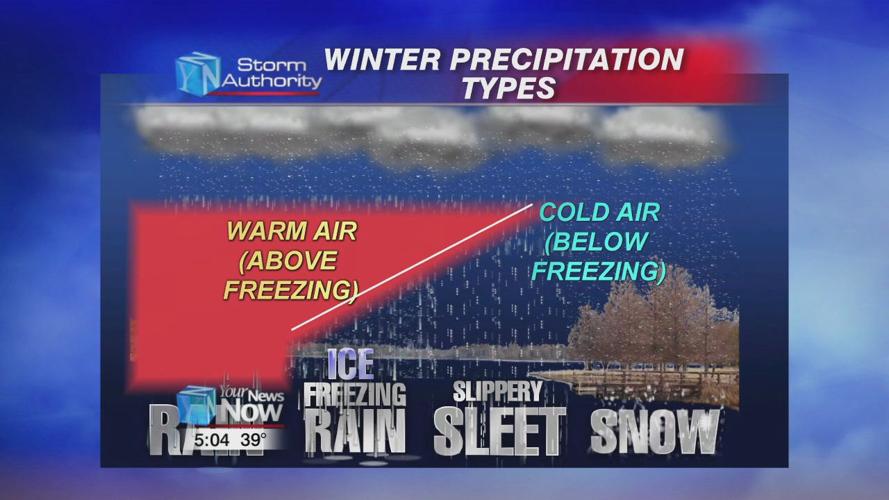
There are several different types of winter weather precipitation at can occur that will make the roads slick, which will add to the commutes to and from destinations. Different types of winter weather precipitation create different hazards, but all have one thing in common, they require patience when driving. And here's a breakdown of what on these different types are.
First is rain. Rain occurs when freezing precipitation falls through a warm layer of air and melts before it reaches the ground. Freezing rain is when frozen water droplets fall through the warm layer above the ground, but the surface temperatures are at or below freezing. The melted water droplets refreeze when they touch colder surfaces below. Sleet takes place when frozen precipitation melts in a shallow layer of warm air above and has more time to refreeze and form ice before touching the surface. Sleet is often confused with Graupel. Graupel is a snowflake that collects super-cooled water before hitting the surface - giving it the more white and milky appearance. The last and most widely known winter weather precipitation is snow. This is when the frozen precipitation never melts before the surface.

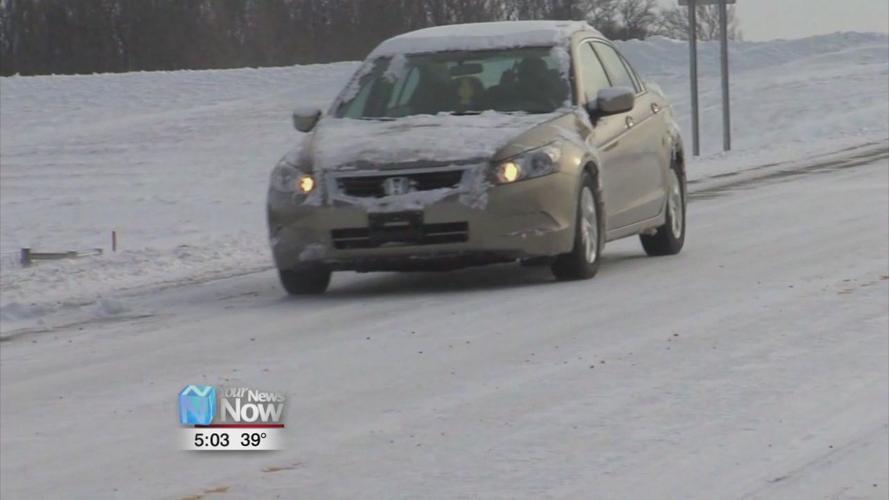
State officials are warning you to take it slow on the roadways - especially right when and after wintry precipitation starts to fall.
"Plan accordingly if you have to give yourself an extra 5 or 10 minutes, assume that if we got poor weather coming, you'll have to scrape windows or allow your vehicle to heat up. the main thing is give yourself extra time," shared Lima Ohio State Highway Patrol Lt. Tim Grigsby.
After sleet, snow, and rain, expect roadways especially bridges and overpasses to be very slippery. Officials are urging you to have a plan in case you get caught in any slippery situation.

“Knowing the route - knowing how to get a hold of safety services and being patient, getting over for emergency vehicles, those are the biggest items," said Lt. Grigsby.
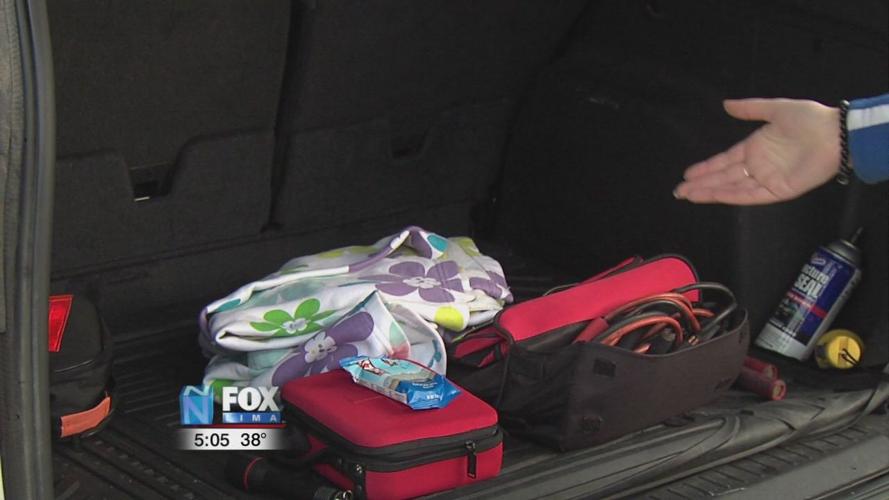
Along with those tips - keeping your car stocked with emergency essentials like a flashlight, a first aid kit, jumper cables, extra food, and blankets can help you in case you get into trouble this winter season. In Lima, Adrianna Michaels, Your News Now.



