

Electric co-ops and power providers are concerned that the state will not be able to have enough electricity to support its future needs.
ADA, OH (WLIO) - Electric co-ops and power providers are concerned that the state will not be able to have enough electricity to support its future needs.

Lt. Governor Jon Husted says one reason that many companies want to move or expand in Ohio is because of cheap energy, and these mandates could mean the state power needs may not be met.
The U.S. EPA issued a rule that targets electric coal and natural gas plants in the United States. By 2032, any fossil fuel-powered plant will be 90% carbon-emission-free. Electric co-ops say this would mean that carbon-capturing technology would have to be added, making the process more expensive for large operations. If they can't reach the carbon emission level, the plants need to close.

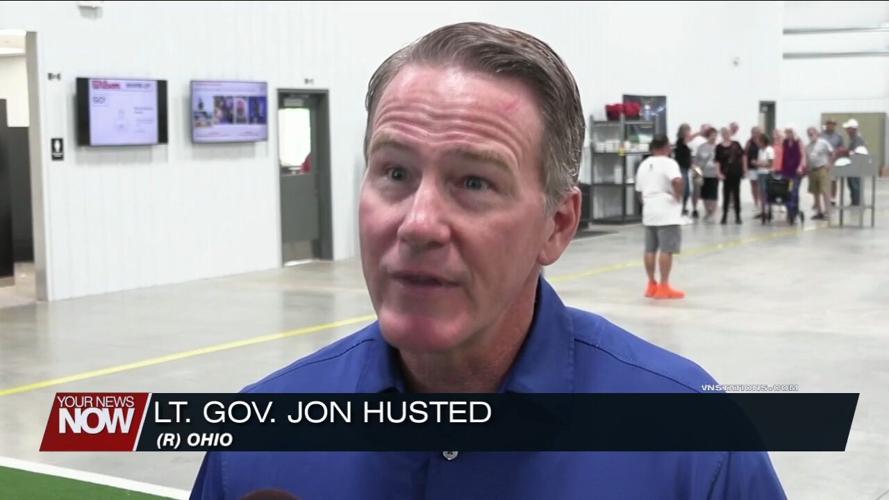
Lt. Gov. Jon Husted, (R) Ohio.
Lieutenant Governor Jon Husted says one reason that many companies want to move or expand in Ohio is because of cheap energy, and these mandates could mean the state power needs may not be met.
"But the federal government and the U.S. EPA are really making it hard to build the energy supplies that we need, and we are going to have to see a change in attitude in the federal level. But we are not going to wait on them. Ohio is developing its own strategy to make sure we have the energy to power our future," says Lt. Gov. Jon Husted.

By 2032, any fossil fuel-powered plant will be 90% carbon-emission-free.
Husted says the state is taking an "all of the above" approach to the issue.
"Yes, we want wind and solar, but we also want gas-powered power plants. We don't want to take coal plants offline until we have an adequate supply, and it's continuing to support the development of nuclear energy. All of those are part of it, and rather than going through the federal government to put energy on the grid, you are going to see more and more private companies build private energy supplies to help power all the factories and the data centers that Ohio is building," adds Lt. Gov. Husted.
A coal-powered plant in Brilliant, Ohio, supplies 70% of the power needs for the state's electric co-ops, which serves over one million customers.



