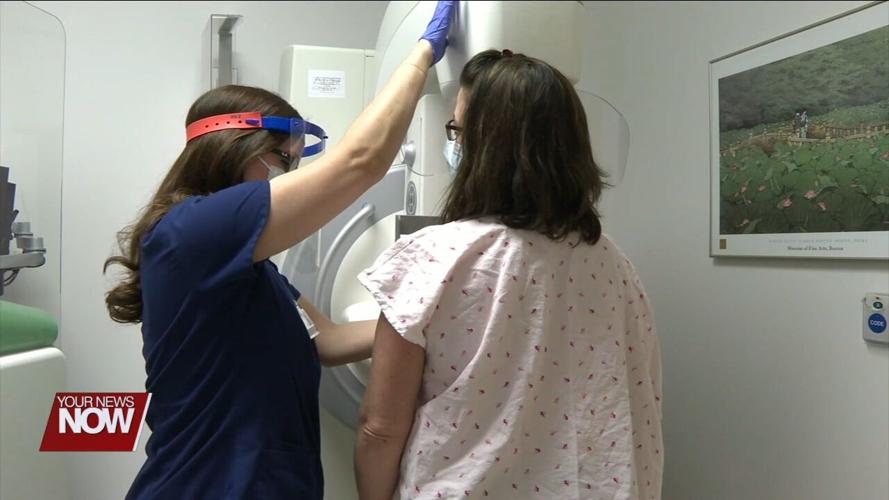
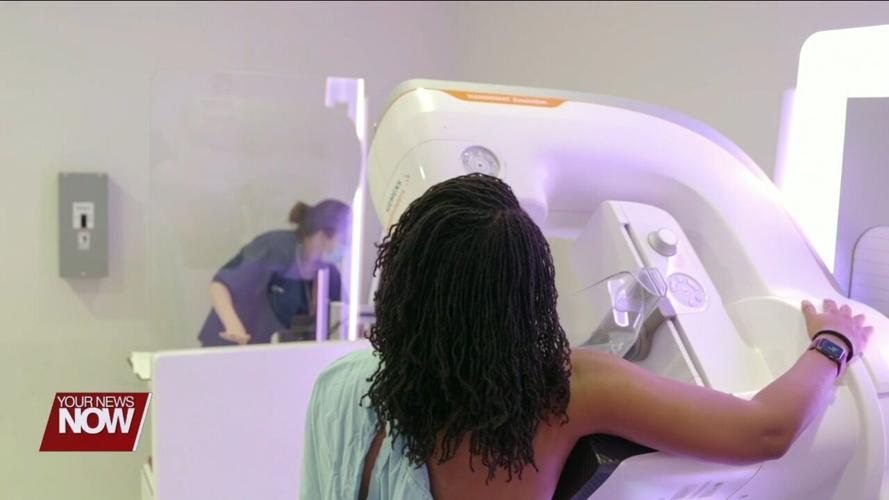
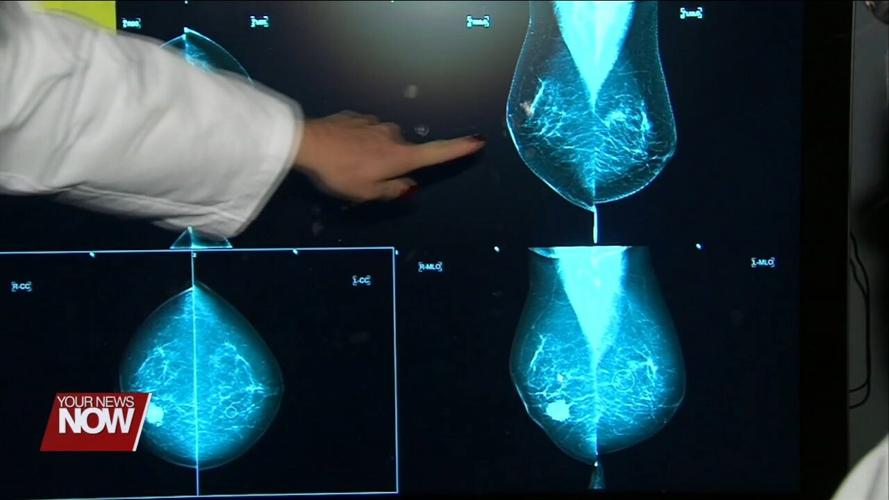


CLEVELAND, OH (CLEVELAND CLINIC) - The U.S. Preventive Services Task Force recently updated its guidelines for breast cancer screenings. Among the changes, women should now get mammograms every other year, starting at 40 instead of 50.

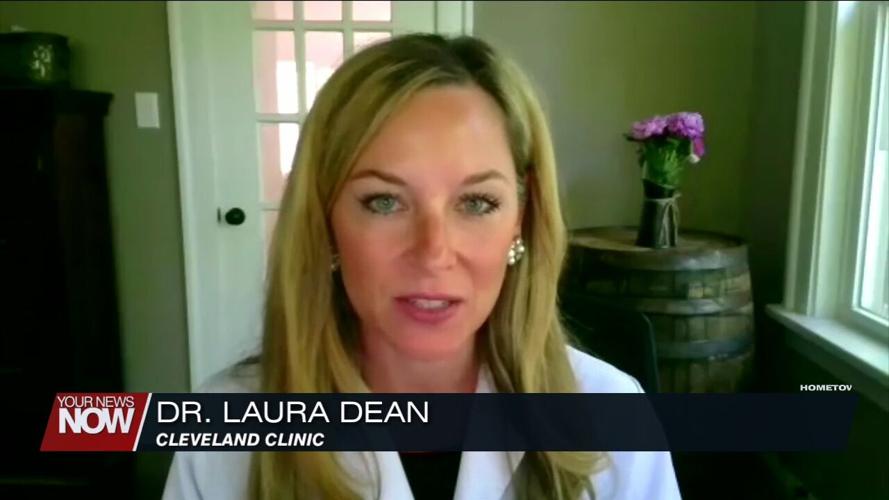
“Breast cancer experts have known and have widely agreed that the most lives from screening are saved when the screening begins at the age of 40. But even with that agreement, there has still been some variability in when to start screening, and when experts are recommending screening begin, and how frequently that screening should occur,” explained Laura Dean, MD, breast imaging radiologist with Cleveland Clinic. “I think the task force has really gone through the evidence and has, importantly, included that younger age group starting at age 40.”

Dr. Dean said that while 40 is the recommended age to start mammograms, some women may need to get them done even sooner. One reason could be if they have a family history of breast cancer.
The task force also addressed supplemental screenings, like MRIs and ultrasounds, for women with dense breast tissue.

She said while those individuals may benefit from supplemental screenings, the task force found there is not strong enough evidence currently to recommend them.
It’s best to make that decision with your physician. Whether you are at an increased risk or not, it’s important to remember that anyone can get breast cancer.
“When we talk about the risk factors for breast cancer, I hear a misconception almost on a daily basis from my patients, where patients think that they don’t have a family history of breast cancer, therefore they don’t really have any concern or worry that they personally won’t develop breast cancer,” she said. “It’s really important for patients to know that most breast cancers that we see, actually about 75 percent, are in patients who don’t have a known risk factor for breast cancer.”
Breast cancer remains the most common cancer for women in America, except for skin cancers.
It’s also the second-leading cause of cancer death for women.



